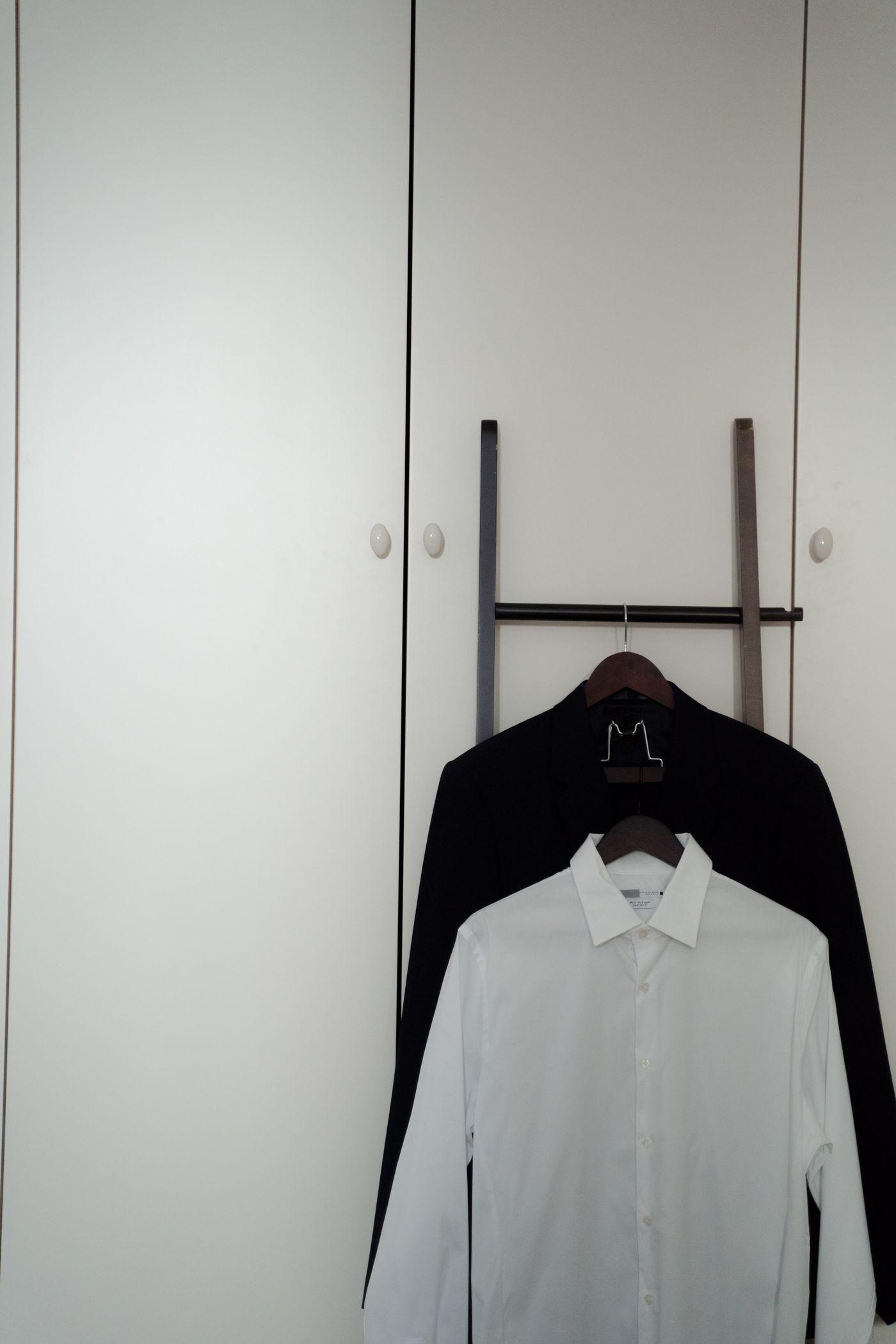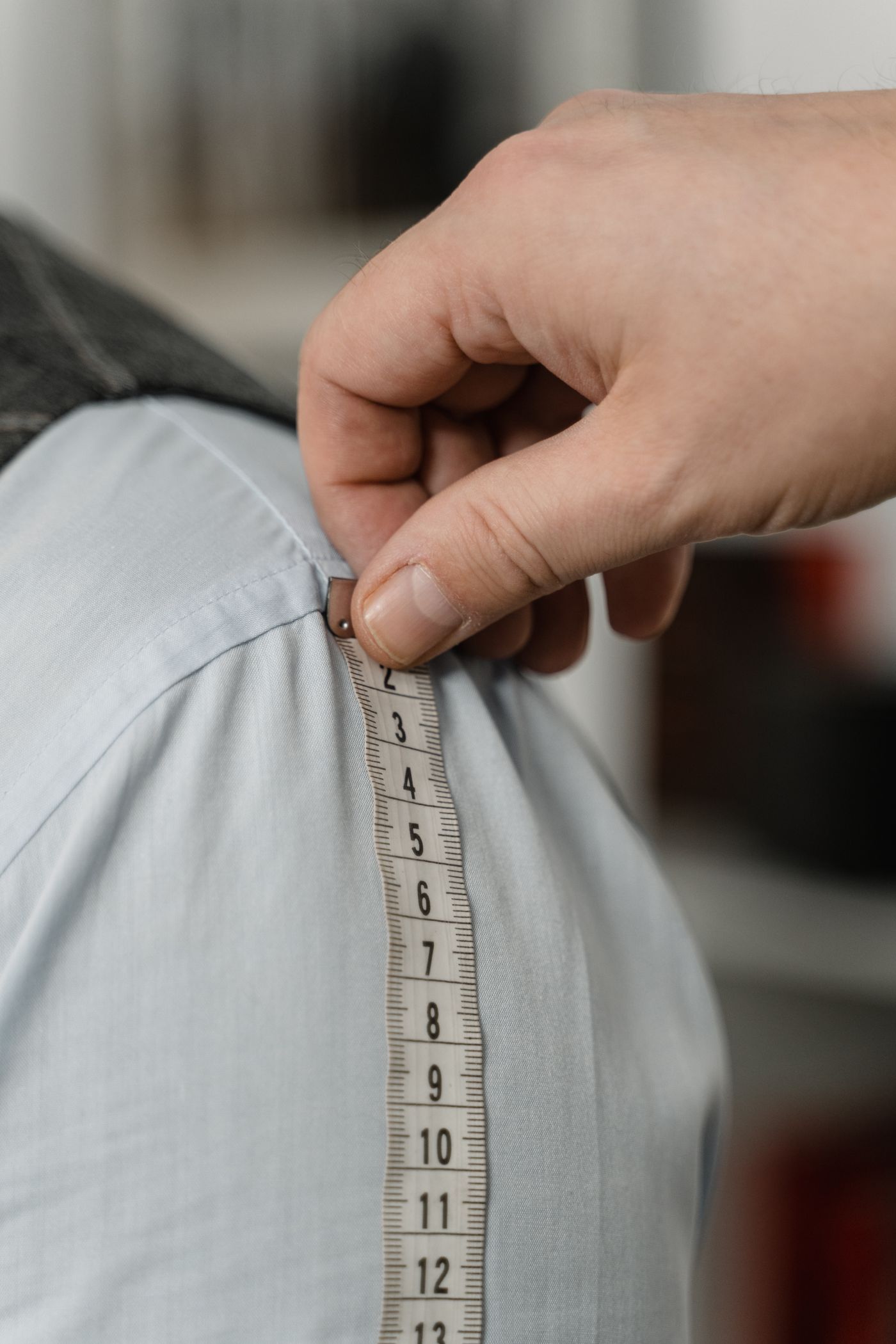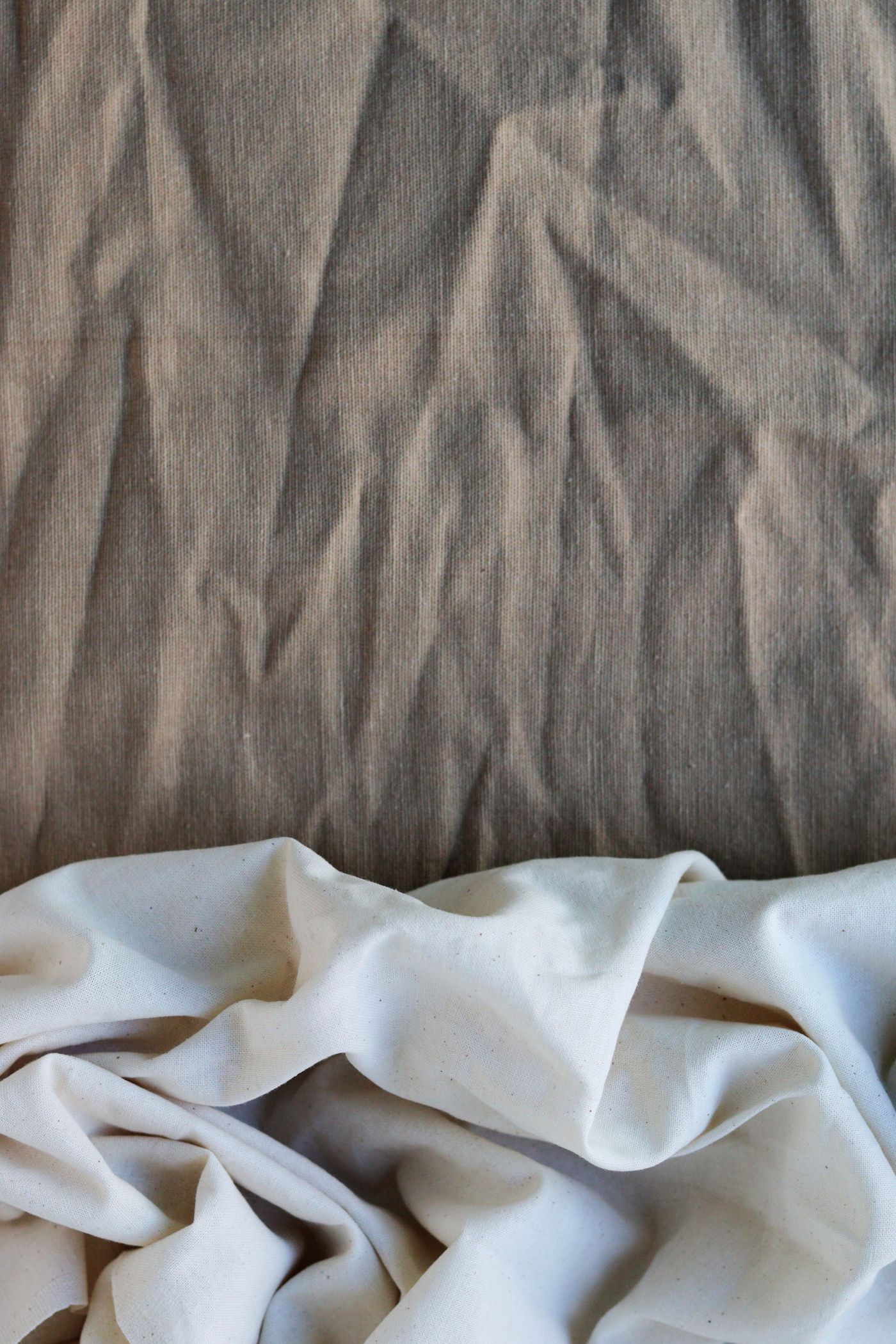
Two garments with the same fibre description can feel very different. A material name alone describes neither fabric weight nor construction or fit. Begin with the intended use. A top worn under a jacket may need different qualities from loose summer trousers or an everyday skirt that is washed frequently.
Read the complete composition rather than only the fibre highlighted on the label. A blend is not automatically inferior to a single-fibre fabric. Ask what you want from the garment: freedom of movement, a particular drape, low packing volume or a surface that works with clothes you already own. Assess the actual product against those tasks.
Examine fabric as part of the garment
When you can handle the item, inspect it in ordinary light. Does it become transparent when gently stretched? Does it hang evenly around seams and hems? Is its thickness suitable for the season and intended layers? Avoid drawing more conclusions from a small sample than it can support. A finished garment behaves differently from a loose piece of cloth.
For online purchases, close photographs, fabric-weight information and a description of any lining can help. If those details are missing, ask before ordering several alternatives. Words such as soft or premium are subjective and do not establish whether trousers are lined or a sweater uses a chunky knit. A clear factual description is easier to compare between sellers.
GINETEX describes care labelling as information about permitted treatment. It therefore belongs in the comparison. Fabric you like can still be unsuitable if its maintenance does not fit your routine. Include known cleaning costs and the time required, without automatically assuming a particular lifespan or equating more demanding care with better quality.
Finally compare garments that perform a similar job. A light blouse and a heavy work shirt do not need to compete at the same price. Identify which differences you will genuinely use or notice. This keeps the material comparison concrete: the question is not which fibre name sounds most expensive, but which finished garment offers the qualities you want for its intended use. Keeping a note of a favourite garment's composition and construction can provide a useful reference for future purchases.