Replacing a bulb requires more than comparing wattage. The new product must be mechanically and electrically suitable for the luminaire and provide the intended light. Start with the existing fitting, its instructions and the specifications of the previous suitable bulb.
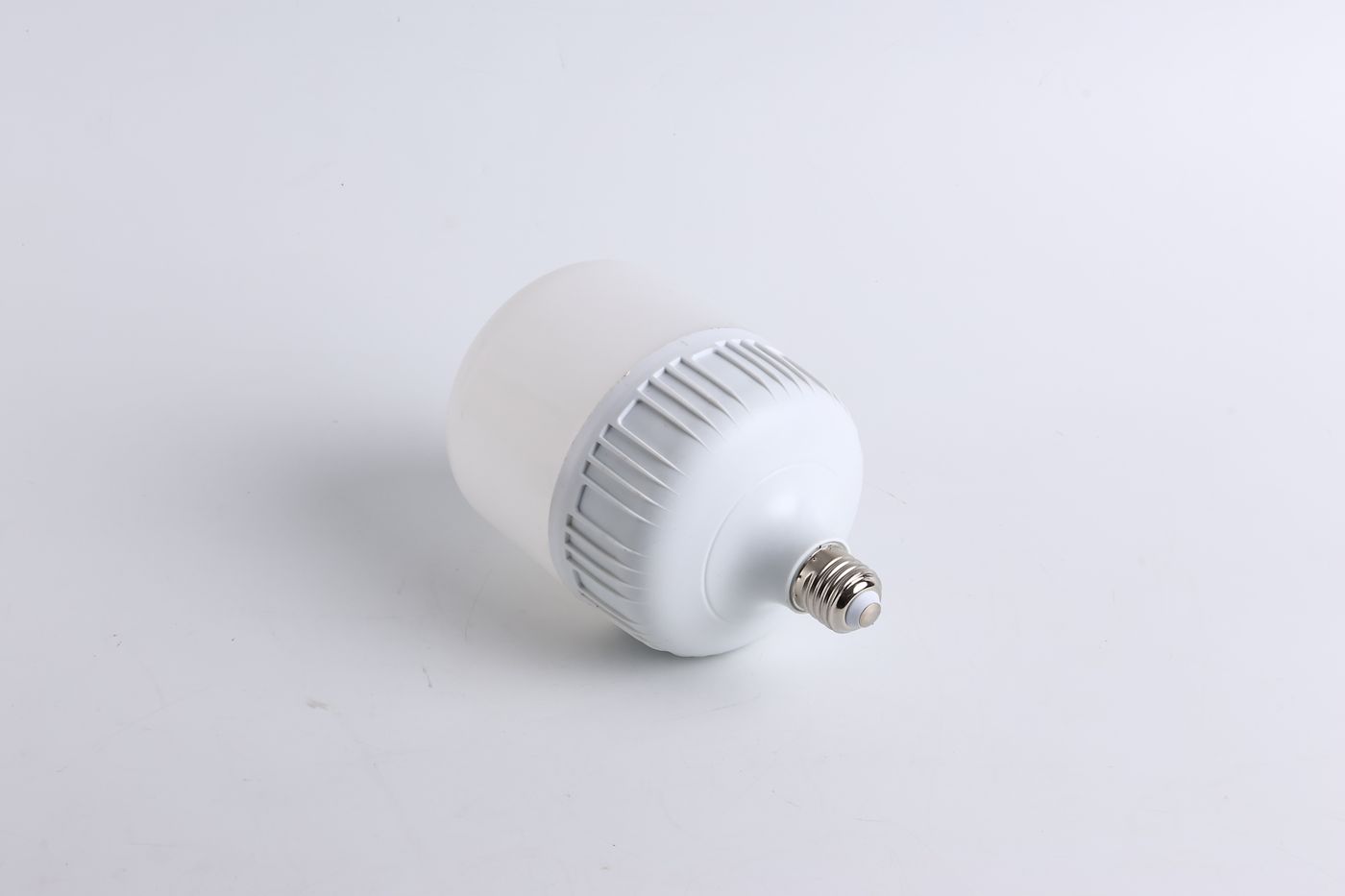
Record the base type, shape and available dimensions. A matching base does not guarantee that a larger bulb body fits beneath a shade or inside an enclosed design. The manufacturer's permitted-use information still applies. Do not buy a superficially similar version when its suitability is unclear.
Separate brightness from power consumption
Lumens describe light output, while watts describe electrical power consumption. For similar brightness, the lumen figure is therefore more useful than looking for identical wattage. Check the package for light output and the electrical specifications that match your fixture.
Compare figures among products that are actually suitable. Low consumption is insufficient if the necessary light output or shape is missing. Equally, a much higher lumen figure is not automatically an improvement when the existing area was already adequately lit.
Include colour and distribution
The specified colour temperature describes another part of the result. Choose it for the room and, where relevant, existing light sources. When several bulbs are visible together, an unintended mixture can matter more than a small price difference between packs.
Shape, direction and the luminaire itself also affect the outcome. A directional source is not equivalent to an all-round source merely because their lumen figures are similar. Read the application details and treat the luminaire as part of the system.
A room photograph offers limited evidence. Camera settings, screens and other light sources change its appearance. Use documented specifications and an appropriate trial where possible instead of estimating brightness from advertising imagery.
Check dimmers and special installations
With an existing dimmer, the bulb and control must be explicitly compatible. “LED” does not automatically mean dimmable. Check the compatibility information for both products and ask the manufacturer or an appropriate professional about uncertainties.
Enclosed luminaires, special locations and other requirements need their individual instructions followed. An ordinary indoor bulb is not automatically suitable for every outdoor or damp environment. This comparison is not guidance for modifying electrical installations.
Buy only the useful quantity
Count how many identical compatible bulbs are needed. A large multipack is less useful if rooms require different bases or colour temperatures. Record the correct variant for each location so replacements do not depend on a vague memory.
Finally, compare price, required quantity and documented properties. Follow both luminaire and bulb instructions during replacement; work outside the intended user-replacement task belongs with a qualified person. Select a bulb for its specific job rather than simply a low price or the largest figure on the box.