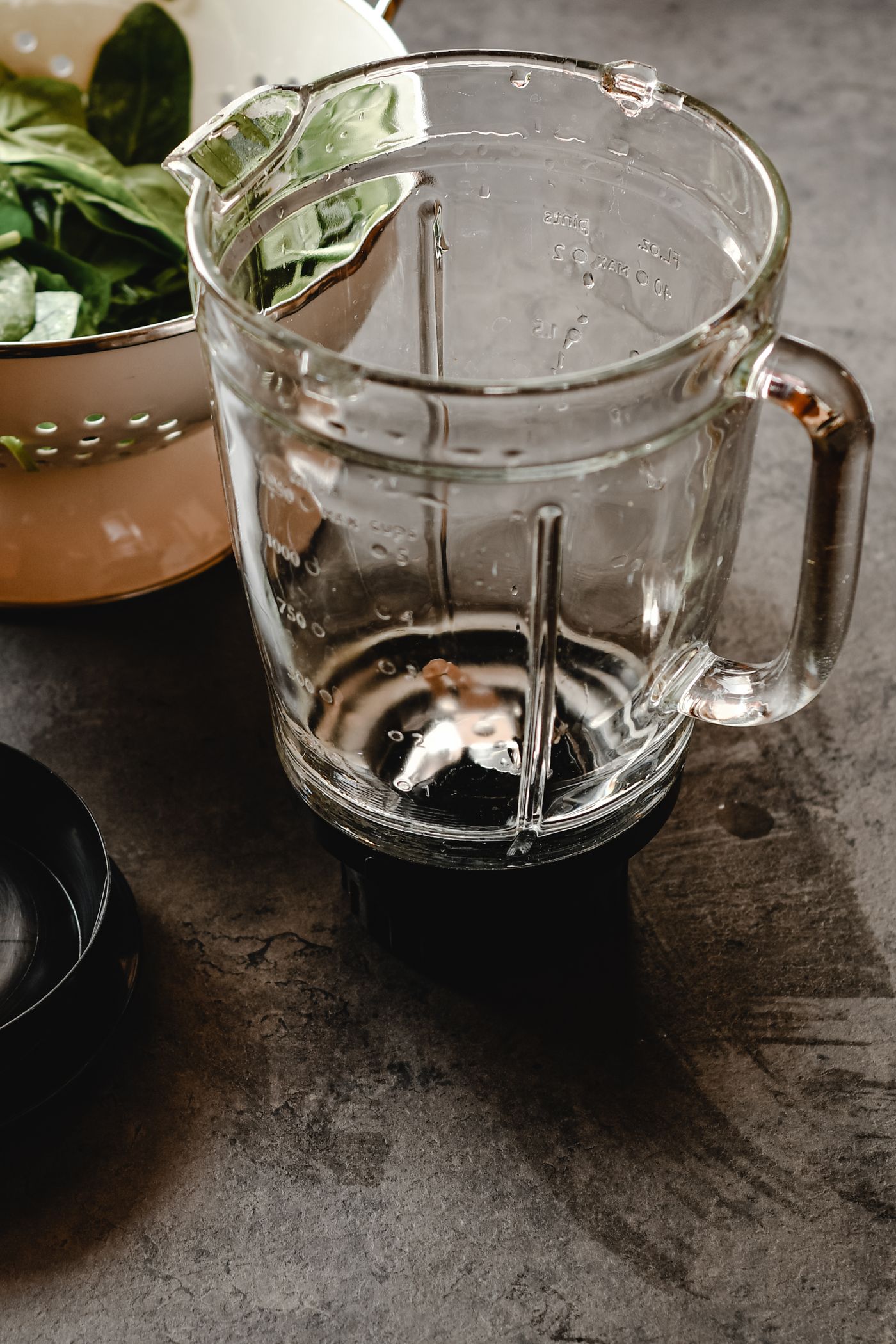
A blender jug needs to do more than look attractive on the worktop. After a thick smoothie or sauce, you must be able to clean its rim, lid and the areas specified by the manufacturer. An awkward container can leave an otherwise useful blender unused in a cupboard.
Compare it with your sink
Check the jug's height and width against the sink and draining area. A tall container beneath a low tap may need to be tilted awkwardly for filling. Check its empty weight too. It becomes heavier with ingredients inside, so a comfortable handle can matter more than a decorative material choice.
Read which parts users may remove. A detachable blade assembly only helps when removal and refitting are explicitly intended for owners and clearly explained. Do not reach among sharp components to clean them. Use the procedure and suitable tools described in the instructions instead.
Inspect lids and seals
Mixture can collect around lid edges and seals. Examine the individual components in photographs or the manual. Is their cleaning method clear? Can a replacement seal or lid be ordered for the model? Otherwise, replacing a whole container may cost much more than the small worn component suggests.
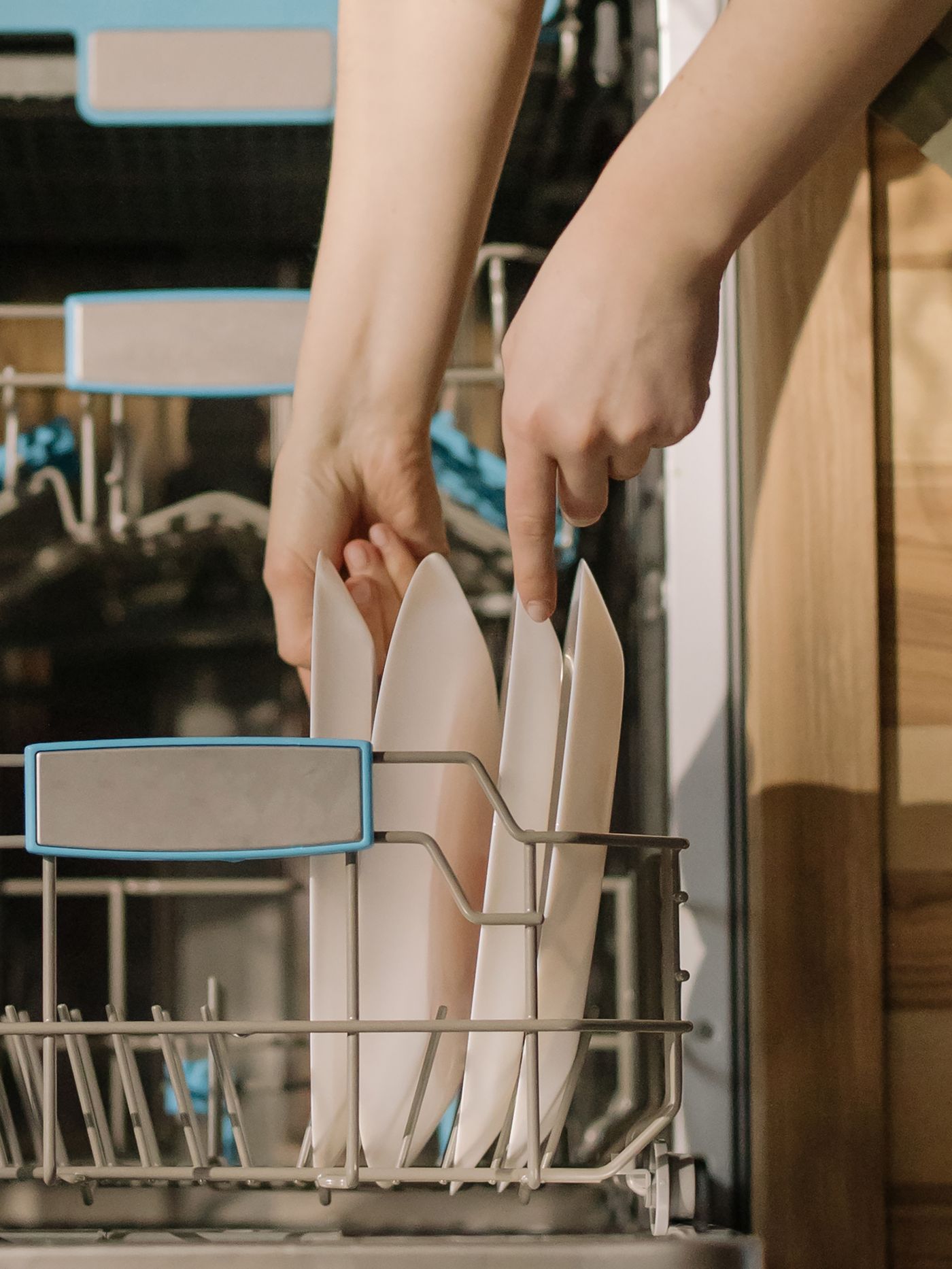
Do not assume every part can go in the dishwasher. Care statements may apply to particular components only. Note the differences so the daily effort is visible before purchase. An automatic cleaning mode replaces only the tasks the manufacturer actually says it covers; it is not a reason to ignore the remaining instructions.
Match the planned ingredients
Consider whether you mainly prepare thin drinks, thick mixtures or small portions. Check the explicitly approved applications and quantities for those jobs. Hot ingredients require a system approved for them. A large opening or sturdy appearance does not establish that suitability.
Choose a jug whose usable quantity fits the recipe and whose care fits your routine. For one breakfast drink, a smaller suitable container may reduce transferring between vessels. For several portions, a larger jug makes sense if you can hold and clean it safely. The useful size works just as well after blending as before it. That is a better basis for choosing than nominal capacity by itself.