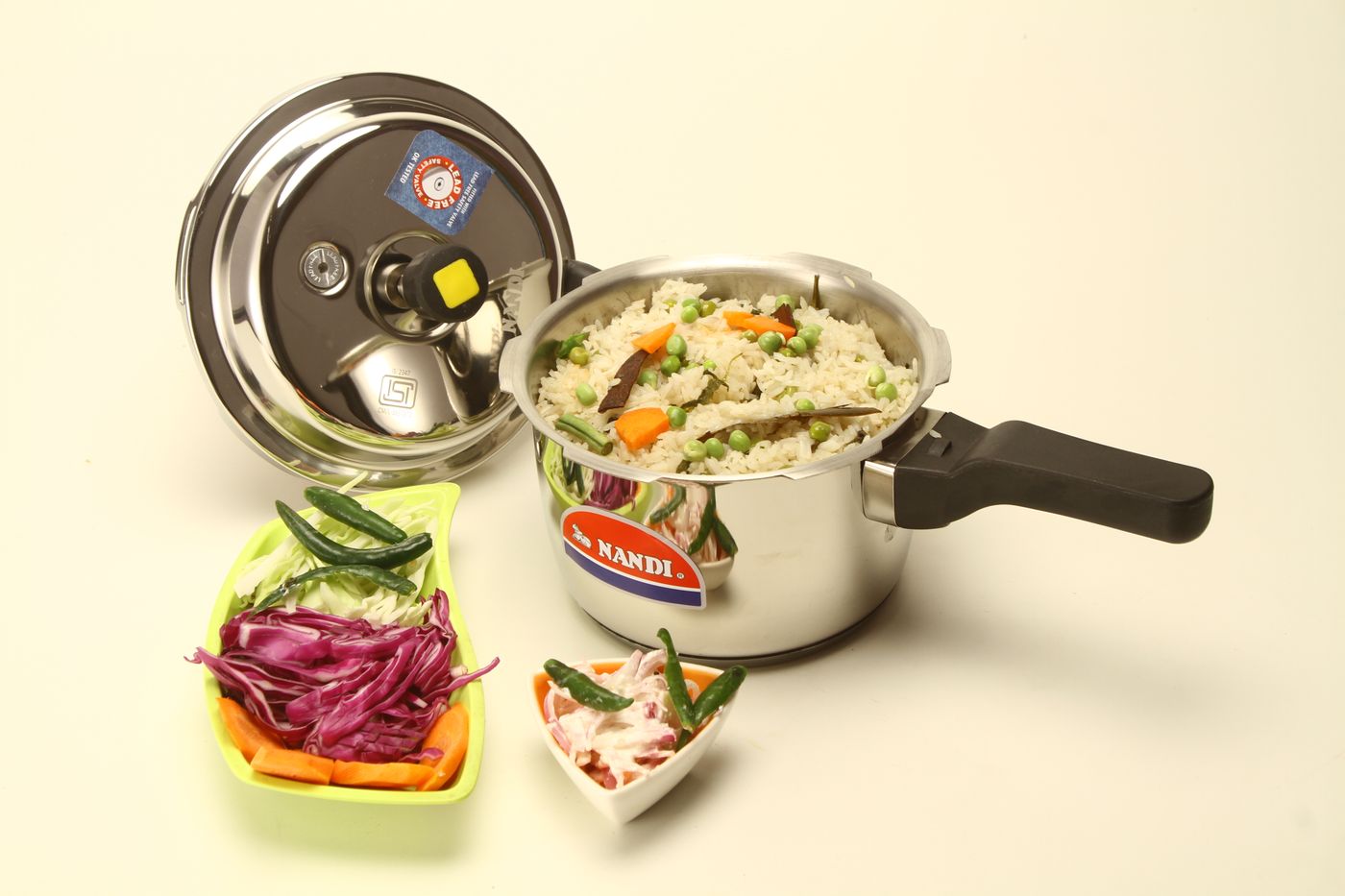
A pressure cooker's stated volume is not the amount you may fill for pressure cooking. When preparing meals for several days, check the permitted quantity for the particular recipe before buying a larger pot simply for its litre figure.
Connect the recipe with its fill limit
Read the chosen model's instructions, including rules for foaming or expanding ingredients. Instant Pot, for example, specifies a lower fill limit for certain starchy or expanding foods. Do not transfer a general limit from an unrelated appliance to your setup. The manufacturer's directions and a recipe suitable for the equipment govern the process.
Do not calculate finished portions by assuming the inner pot can be filled completely. Ingredients and liquid need the specified space. If a weekly batch exceeds a permitted load, compare two smaller batches with a larger model. Include the entire process, including the required pressure-release procedure, rather than just the headline cooking time.
Remember small batches
A large cooker must also suit occasions when you cook less. Check minimum liquid requirements and approved quantities. Avoid deciding around one monthly batch-cooking session if most other meals are much smaller. A machine suited to both situations can reduce rearranging more effectively than one chosen for the greatest reserve capacity.
Check weight, handles and space for handling the lid safely. A filled inner pot is substantially heavier than the empty display appliance. Plan where components will rest and be cleaned without having to carry hot items through a congested kitchen. These arrangements matter as much as the amount the cooker can theoretically hold.
Identify service parts beforehand
Find the specified replacement seals and other owner-replaceable components. Model and size identifiers must match exactly. A similar-looking seal is not a reliable substitute. Safety devices must not be altered to make an accessory fit.
A useful size comparison therefore includes two actual recipes, their permitted quantities, the working position and available replacement parts. Extra volume can help regular batch cooking, but never replaces correct loading. Gathering these details before purchase turns the broad idea of making several meals at once into a workable kitchen routine. It also reveals when the smaller appliance you can handle comfortably is sufficient for the quantities you genuinely prepare.
Work backwards from the finished meals
Consider how completed portions will be handled and stored. Cooking capacity alone does not create suitable space for several meals. Check appropriate containers and available storage, following relevant food-safety guidance. A very large batch offers little benefit when its intended use and safe storage have not been organised.
Divide your usual recipe into the desired portions on paper and compare it with permitted appliance quantities. If two smaller cycles would be necessary, assess their complete duration and the handling between them. Longer total preparation can be acceptable when a more manageable appliance also accommodates everyday small amounts.
Keep this comparison alongside the most frequent small recipe. That prevents one unusually large meal from determining the entire capacity decision. A suitable pressure cooker supports recurring preparation while remaining loadable, usable and cleanable as instructed. Extra capacity is worthwhile when the surrounding process can grow with it, rather than merely allowing more ingredients to fit inside a pot.