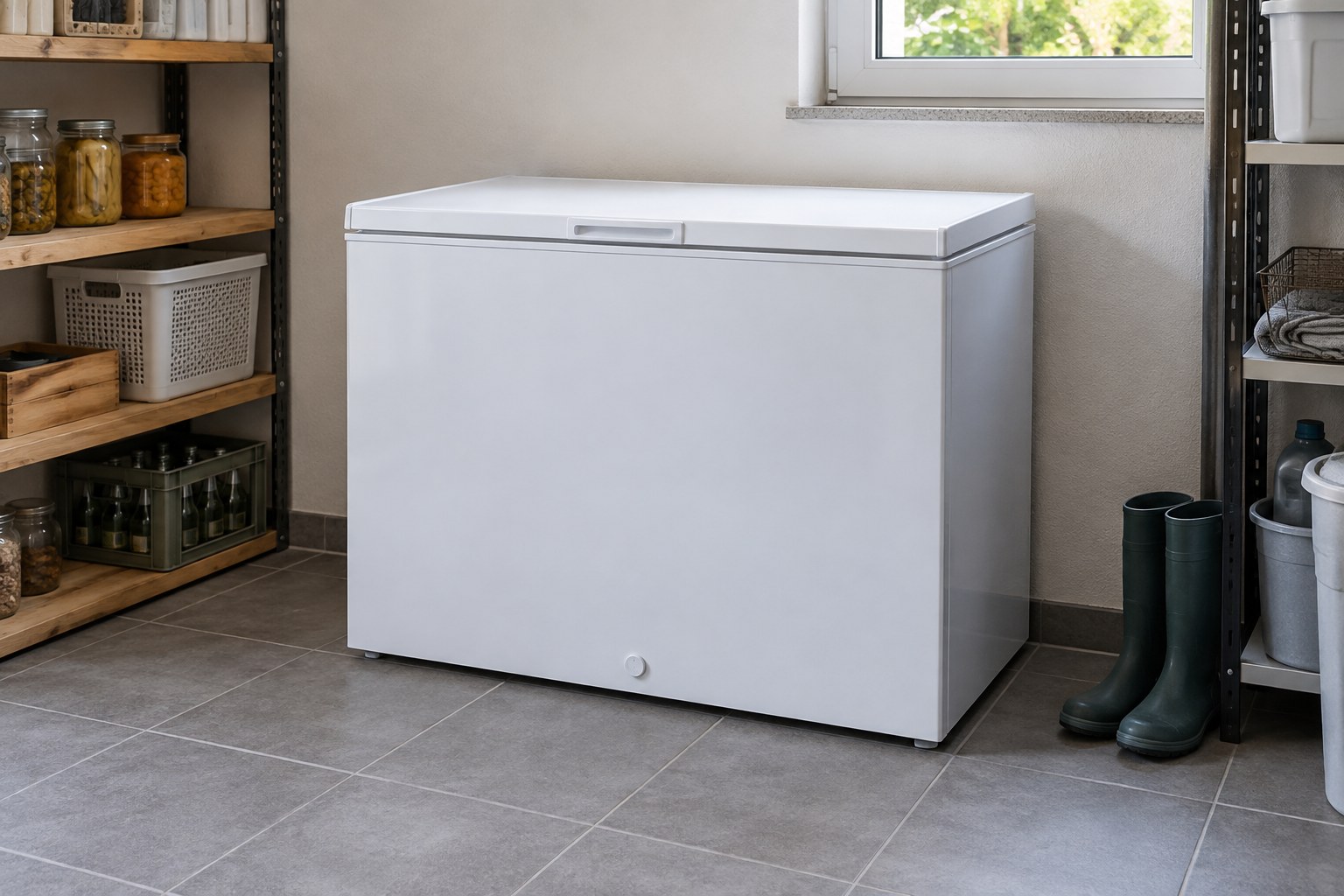
A separate freezer creates storage but occupies floor space permanently. Its value depends on using the food you freeze. A cabinet packed with unidentified containers is not evidence that the purchase was worthwhile.
Name the actual shortage
Write down what your existing freezer compartment cannot accommodate. Is it batch-cooked meals, a seasonal harvest or larger packs of particular foods? A concrete list is more useful than hoping to buy more special offers. Bulk offers only help the shopping budget when you use the quantities and they do not displace other food that subsequently goes to waste.
Try an inventory of your current compartment first. Record the contents, date and approximate number of portions, then work older supplies into meal planning appropriately. This reveals whether you lack volume or visibility. Follow relevant food-storage and thawing instructions; a general buying guide is not a substitute for the directions on a food package.
Compare access as well as shape
An upright drawer model lets you reach a selected compartment directly. Check whether regular containers and larger packs fit, and whether drawers can be pulled fully out at the intended location. With a chest freezer, consider the floor footprint, raised lid and access to the bottom. Can everyone who will use it comfortably retrieve an item from the deepest part?
Measure more than the appliance body. Include the clearances and surrounding conditions specified by its manufacturer. A garage or cellar is not automatically suitable for every freezer. Confirm that the proposed location falls within the model's stated operating conditions. The socket and delivery route also need to work before additional capacity becomes useful.
Keep the calculation conservative
Compare purchase price, delivery and the stated annual electricity consumption. Calculate possible shopping savings separately. If you genuinely save an amount twelve times a year, do not also count an imagined saving on food you would never otherwise have bought. Larger quantities are an expense before they become a benefit.
Plan how stock will move through the freezer: labelled containers, a simple inventory and an area regularly cleared for new food can make the space easier to use. Buy extra capacity when a recurring need remains after improving visibility and rotation. If the existing compartment becomes sufficient once old supplies are used, retaining the floor space and avoiding running costs is an equally valid outcome. The purpose of the comparison is to solve a storage problem, not to justify another appliance.