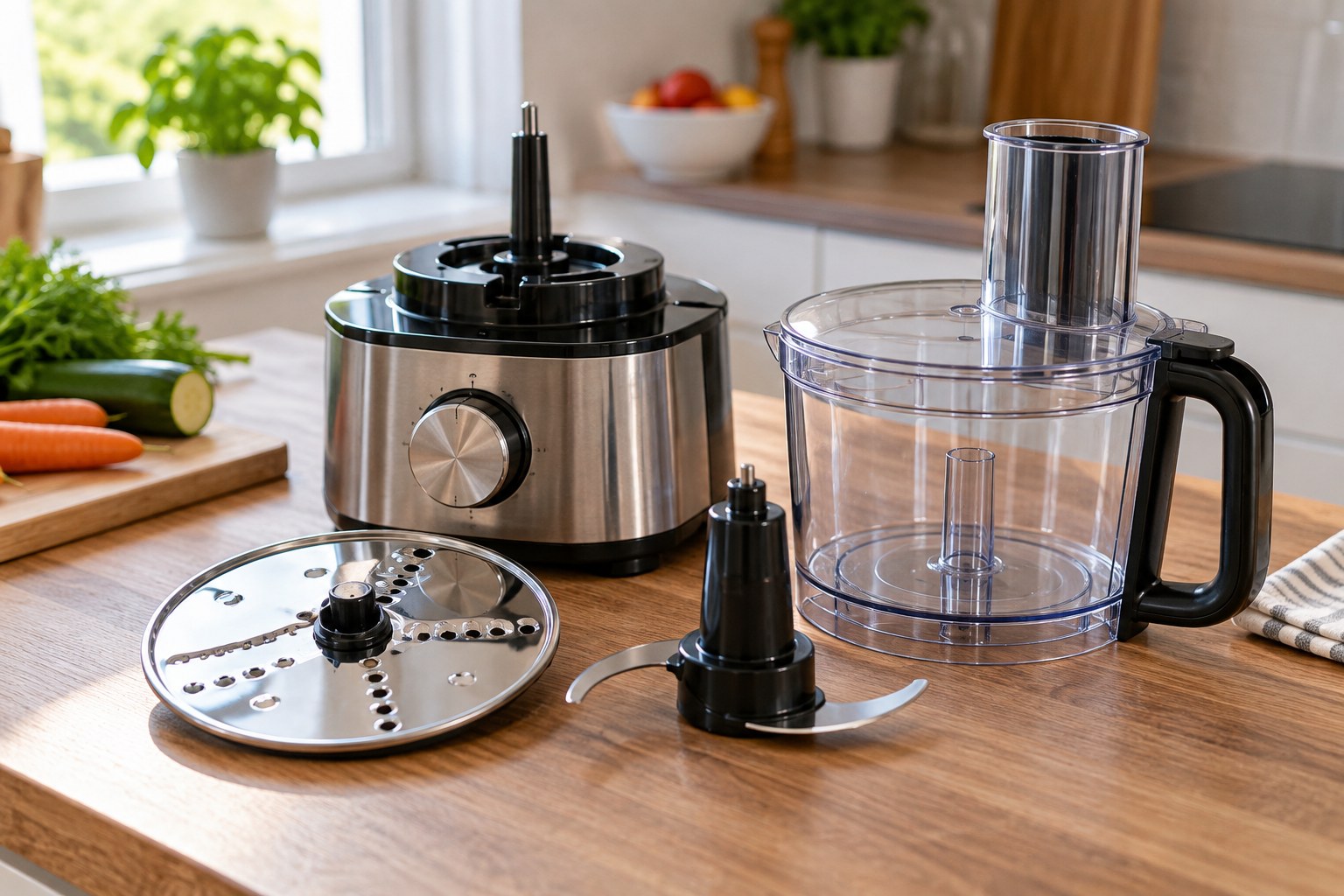
A food processor with many attachments can look generously equipped in a price comparison. Each attachment also needs storage, cleaning and a suitable job. Begin with the preparation tasks you regularly perform, then assign actual tools to them.
Work backwards from ingredients
Write down three frequent meals and split their preparation into chopping, grating, mixing or kneading. Compare those tasks with the machine's explicitly intended functions. A package can contain numerous pieces without covering the one job that consumes most of your preparation time. A simpler machine may meet that particular need better.
Consider quantities. A large bowl is not necessarily convenient for a small amount of herbs. Read the instructions for minimum quantities and limitations rather than looking only at maximum capacity. If every recipe needs several separate batches, that changes the apparent time advantage. The comparison should follow your recipes rather than the largest possible demonstration load.
Include assembly in the routine
Look at how an attachment is fitted, locked and removed. Processing one carrot may involve more work than using an existing hand grater. Preparing a substantial amount of the same ingredient may give the machine a clear role. Compare the entire process, including washing-up, rather than only the seconds when the motor runs.
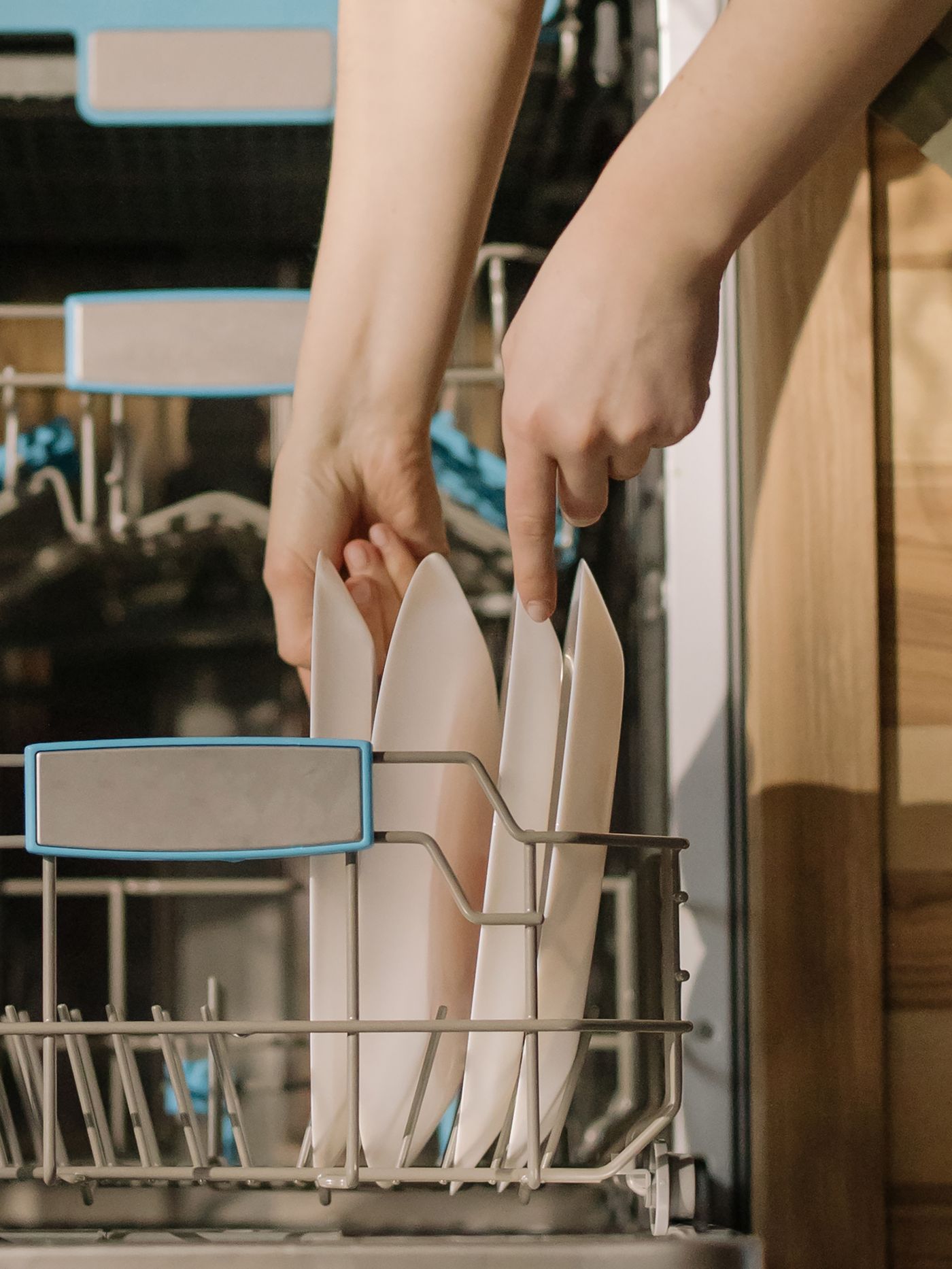
Assign the accessories a permanent storage position. Sharp discs and small fittings should be protected as the manufacturer specifies. A large box on top of a cupboard can discourage regular use. Check whether an existing drawer will genuinely hold the components accessibly, rather than assuming they will somehow fit after purchase.
Compare bundles with separate purchases
Price the basic machine with the attachments you need against the complete package. A bundle saving only counts for pieces you would otherwise buy. If you plan to add an attachment later, check the exact compatibility information. Similar product names do not necessarily identify the same connection.
Mark each attachment as regular use, occasional use or no specific task. This is a way to avoid an overcrowded cupboard, not an inflexible buying rule. An occasional accessory can be worthwhile when it performs an important job. An accessory with no identifiable recipe should not decide the purchase. Choose around the tasks that remain useful after the excitement of unpacking has passed.