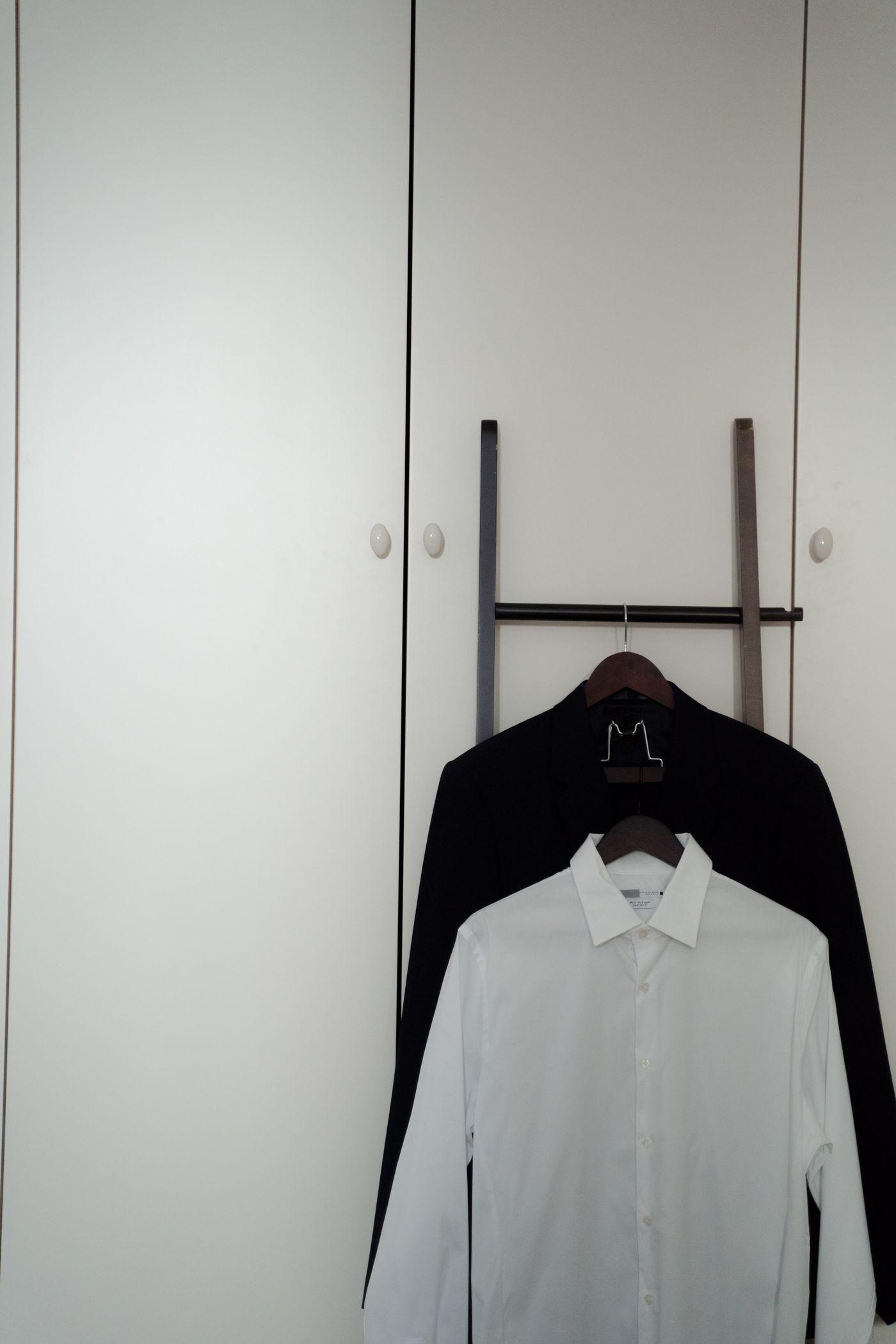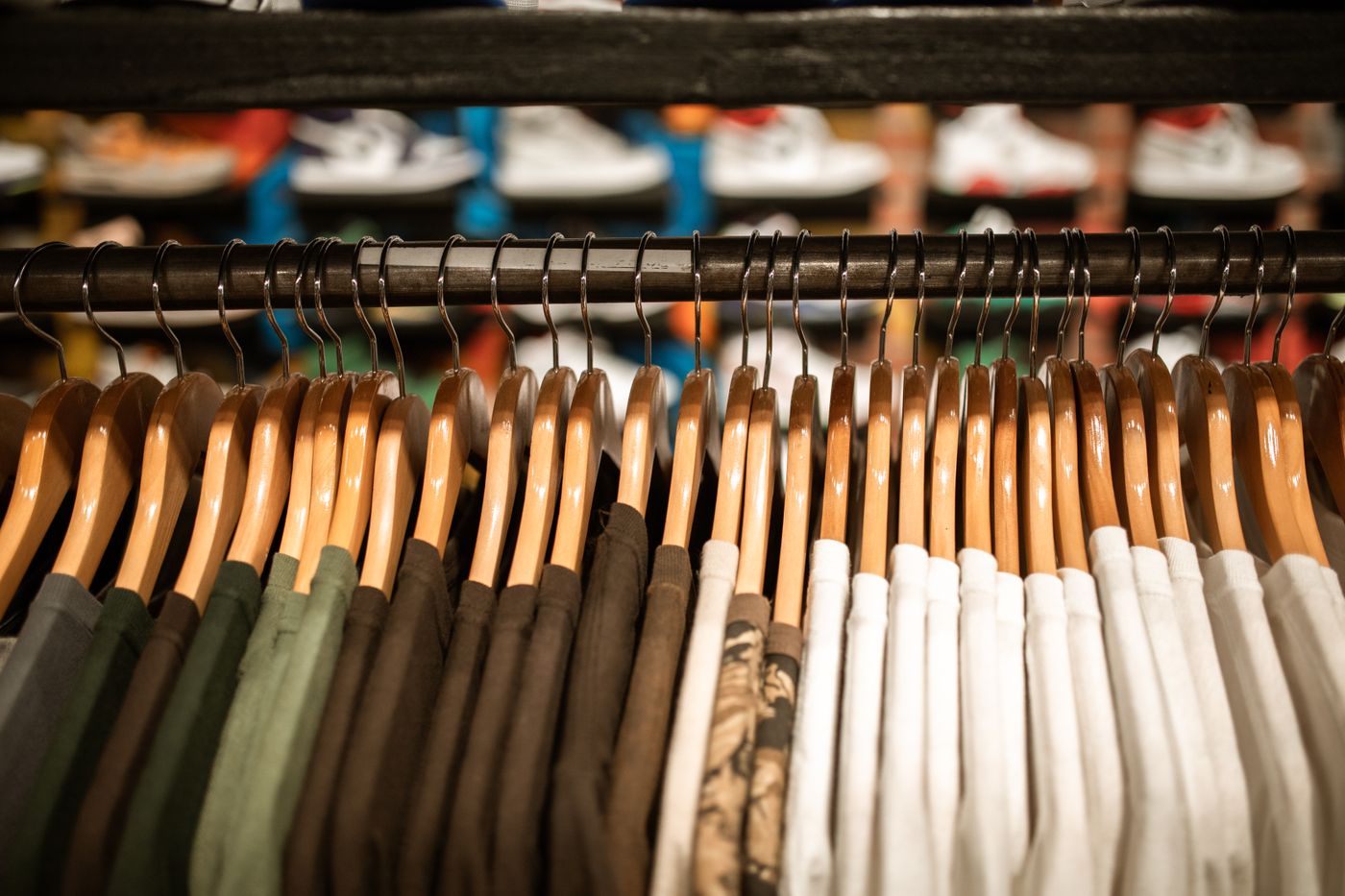
Before the next sale, open your wardrobe with a specific question: what is missing for the coming ordinary weeks? A complete digital inventory is not essential. Start with frequently worn categories such as trousers, tops and shoes. Group similar items so that duplicates and gaps become visible.
Separate clothes that currently fit and are ready to wear from pieces with unfinished tasks. Trousers awaiting alteration are not an immediately available alternative. Record the work needed and decide whether you genuinely intend to arrange it. This prevents the same unresolved task from repeatedly appearing as a new purchasing need.
Count combinations, not only garments
Five tops help little if none works with the bottoms you enjoy wearing. Assemble several complete outfits. Write down which single addition would close a particular gap. That description is more useful while shopping than a broad category such as something new for summer.
Keep a short do-not-buy list as well. If you have enough suitable jackets, record that explicitly. A large discount does not change the inventory. The note does not prohibit a deliberate special choice; it simply reveals whether an offer meets a need or creates an additional expense.
Photograph useful existing combinations or record measurements from a garment that fits. You can refer to them in a shop or during an online comparison. Keep the information easy to access. An elaborate system that is never reopened before shopping is less useful than a few clear notes stored where you will actually find them.
Finally prioritise two or three gaps. Search for those during the sale and continue comparing fit, care and total cost. A reduced item that triggers several other purchases may be less economical than one suitable addition. Update the inventory after buying so that the next search does not begin with the same unanswered question. Review it when seasons or routines change rather than assuming that a list written for a previous job or lifestyle still describes your current needs.