Choosing between laser and inkjet begins with documents rather than a blanket claim that one technology is cheaper. Text, colour graphics and photographs can impose different requirements. Printing frequency also affects a useful comparison.
Separate regular work from exceptions
List recurring output and rare special jobs separately. A monthly stack of text should receive more weight than one annual photograph if that photograph can conveniently be produced elsewhere. Conversely, a special output needed regularly may determine the choice even when total volume is modest.
Check actual models for paper sizes, automatic double-sided printing and any scanning or copying requirements. Printing technology alone does not determine those functions. An inexpensive machine missing a necessary capability is not equivalent to a complete working solution.
List all replacement supplies
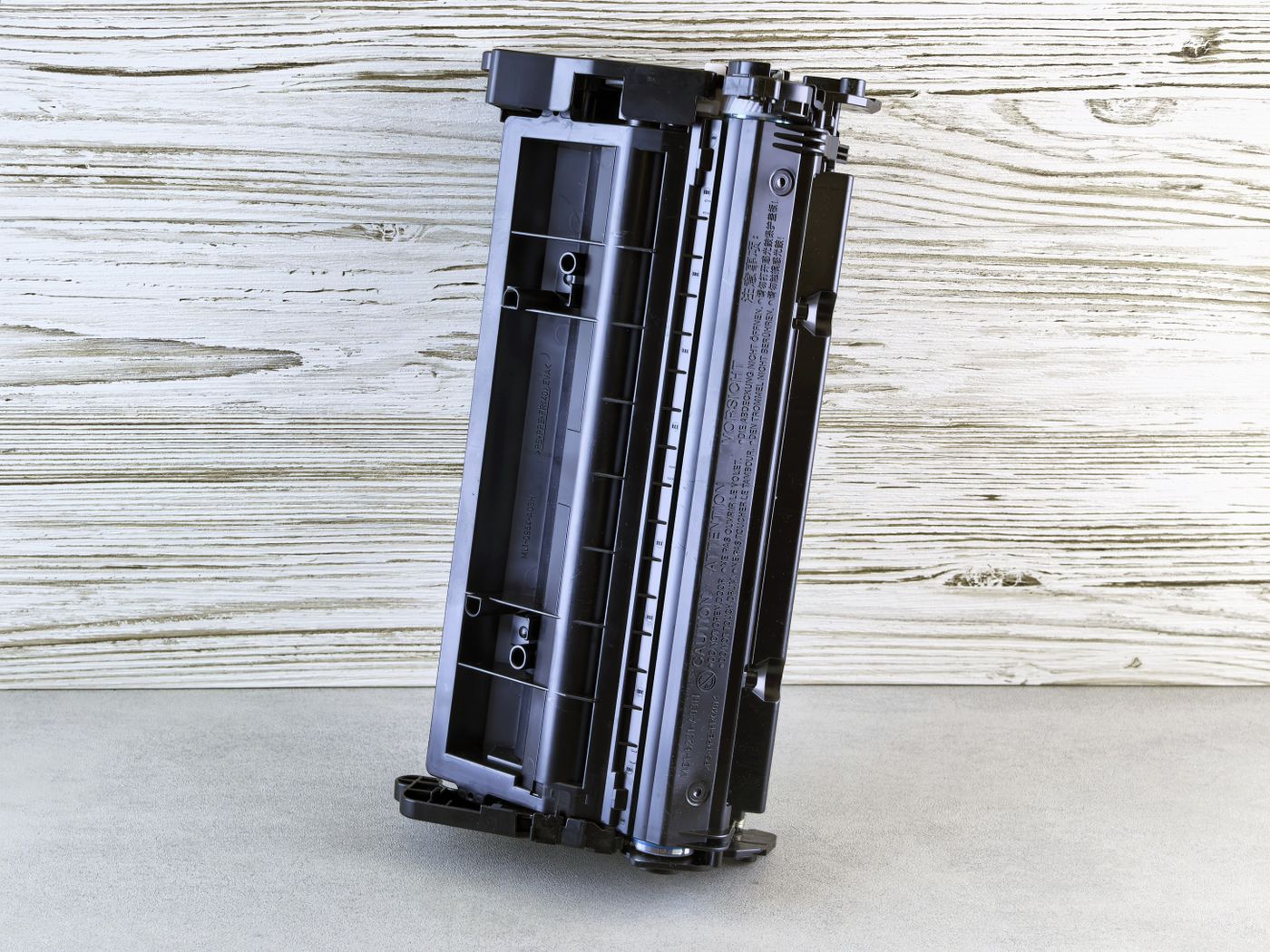
Record every scheduled replacement component for each model. There may be items beyond ink or toner. Check the included equipment and subsequent purchases. Do not compare only one cartridge price when another model needs additional components separately.
Treat yields as figures obtained under stated conditions. Your documents and use may differ. Use transparent assumptions and leave uncertain maintenance expenditure visible instead of silently treating it as zero. For infrequent operation, the relevant care directions should be especially understandable. The cost of an unsuitable maintenance routine is not captured by an attractive cartridge figure.
Check the workstation and connection
Measure the appliance with paper trays open and enough access to replace supplies. A compact closed box may occupy much more space while working. Verify the connection methods actually supported by your computers and mobile devices. Required software also needs to suit the operating system you use.
Finally, shortlist two suitable models using different technologies but meeting the same requirements. Compare purchase cost, necessary supplies, space and operation. If one technology serves the work substantially better, that is stronger evidence than a general statement about low page costs. If both meet the need, the more complete package or easier daily handling may decide the purchase. The objective is dependable access to the required documents, not winning an abstract argument between printing methods.