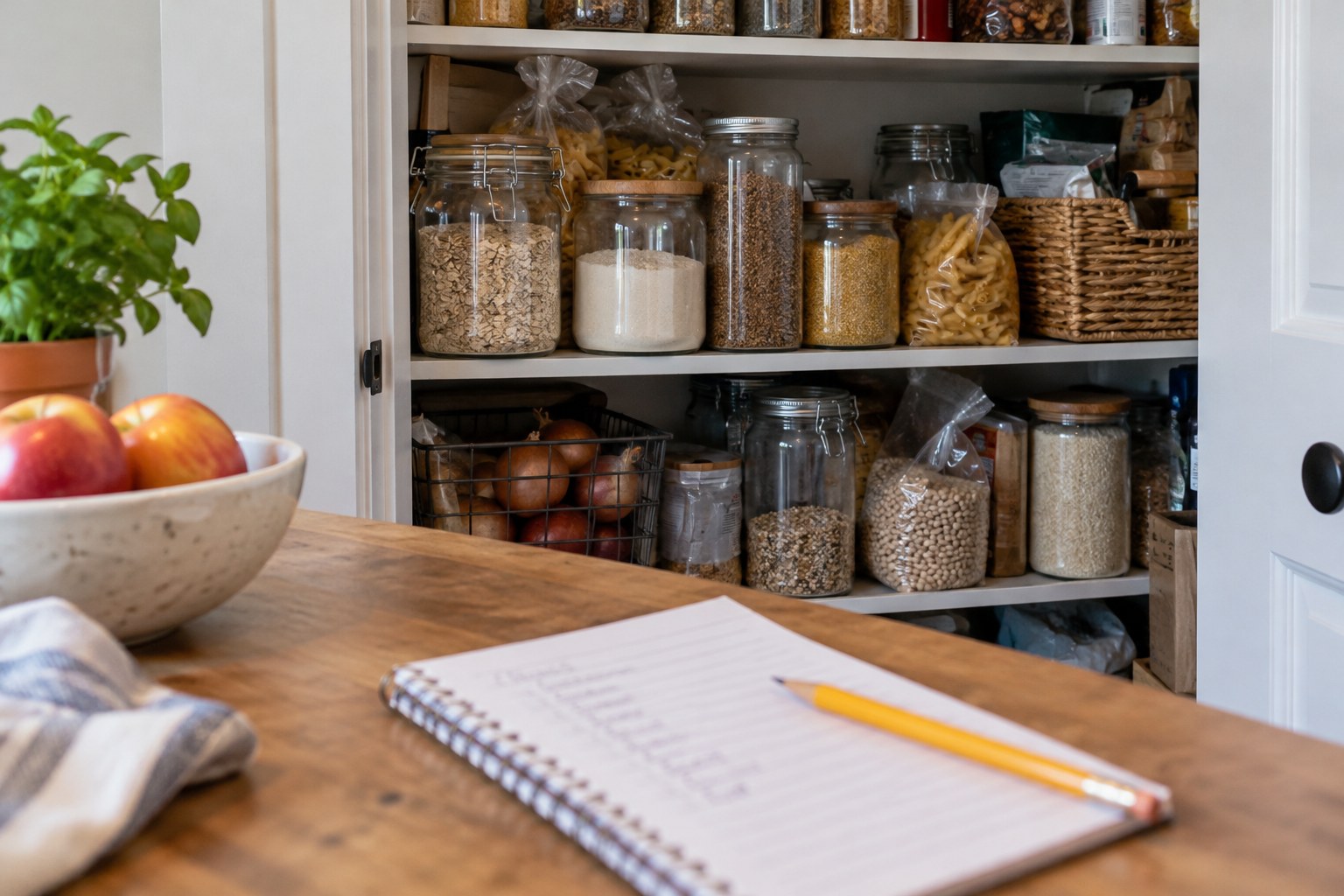
A grocery list need not begin with an empty screen in the supermarket. At home, you can see which ingredients are already available and what is actually missing from a meal. The aim is not to force every remaining ingredient into an elaborate recipe. A brief inventory should prevent duplicate purchases and make the next few days easier to organise.
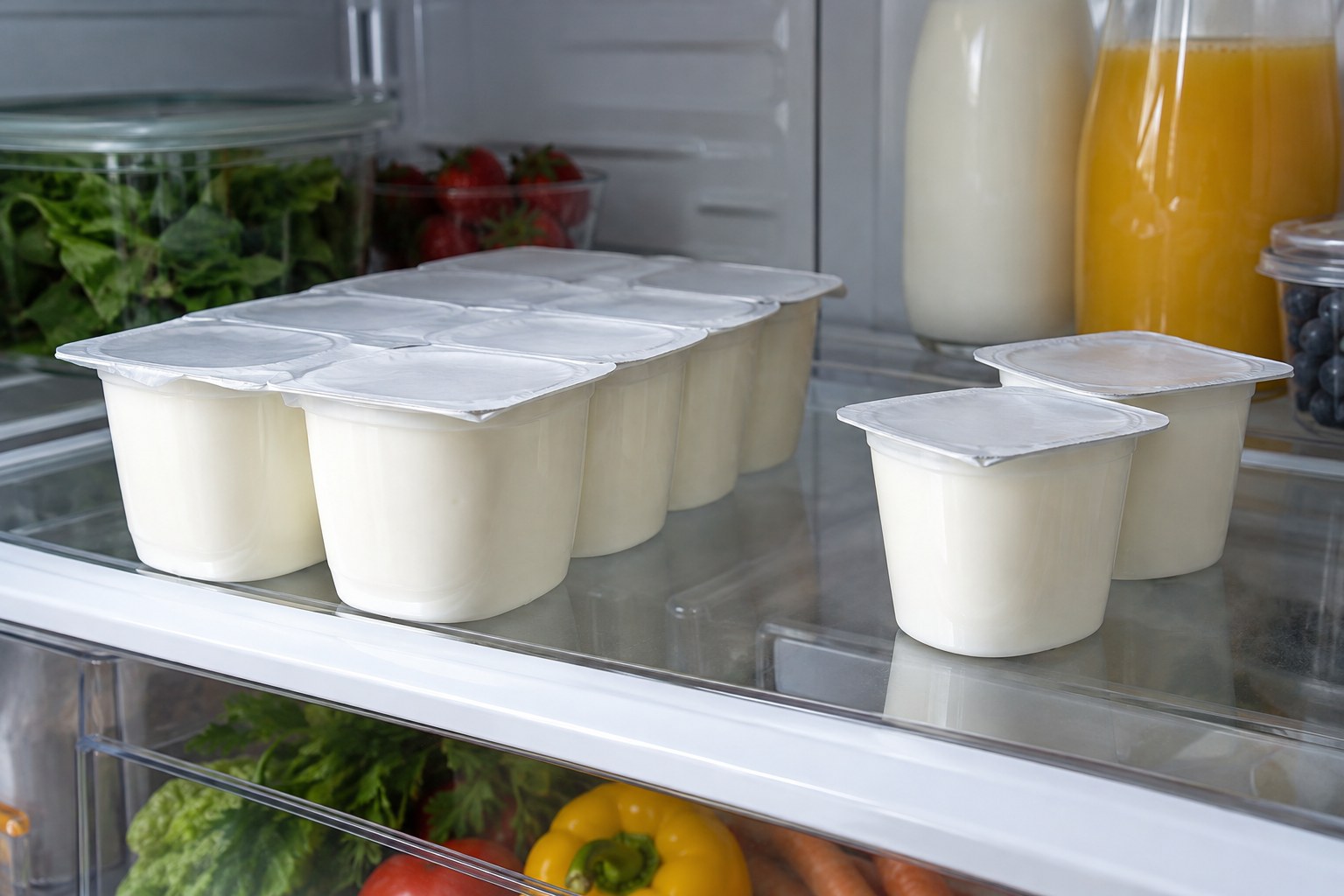
Ask three questions: what is open, what is already reserved for a particular meal, and what is regularly replenished? These groups are not automatically a food-safety priority order. Package instructions and actual storage conditions still matter; a shopping plan does not replace checking whether food is suitable to use.
Complete meals before replenishing the cupboard
Write down two or three meals that can realistically use the ingredients available. Rice, part of a vegetable pack and a suitable sauce may need only a few additions. A new recipe requiring eight more ingredients is a less straightforward way to use one item you already own.
Group missing ingredients by the meal they will complete. This reveals whether one purchase can serve several purposes. An ingredient can be allocated to two meals when the quantity and storage arrangements allow it. Record the total needed rather than entering the same item twice in different parts of the list.
Keep longer-term cupboard supplies separate. An empty rice container presents a different decision from vegetables required tomorrow. If your budget or carrying capacity is smaller than expected, the distinction helps: complete the planned meals first and defer less urgent stock purchases where possible.
Leave room for sensible substitutions
Describe the job of an ingredient when alternatives would work. “Vegetables for a roasting tray” permits more flexibility than a particular brand in one pack size. Allergies, recipe requirements or strong preferences may justify a precise description instead. Decide where flexibility is useful rather than leaving every substitution to chance.
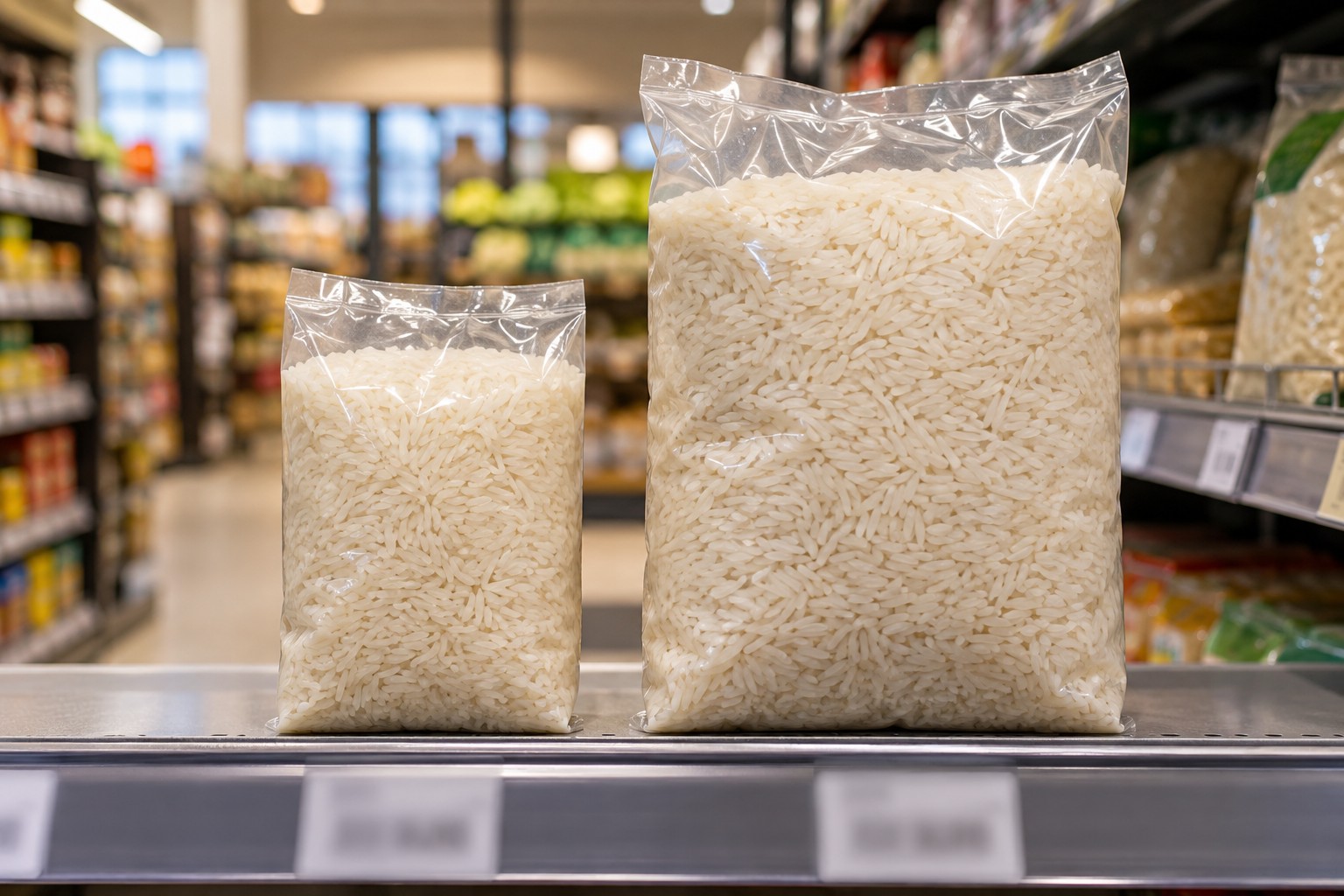
After shopping, compare the list with the quantities actually purchased. If the available pack was larger than expected, the extra food needs a place and a use. A good price does not make that additional quantity disappear.
There is no need to keep every previous shopping list. A short base list of recurring essentials, adjusted for the current meals, is enough. If the same item is repeatedly bought twice, an untidy cupboard may be the real problem. A visible place for open packages can then do more than a more complicated shopping app.