Everyday shopping
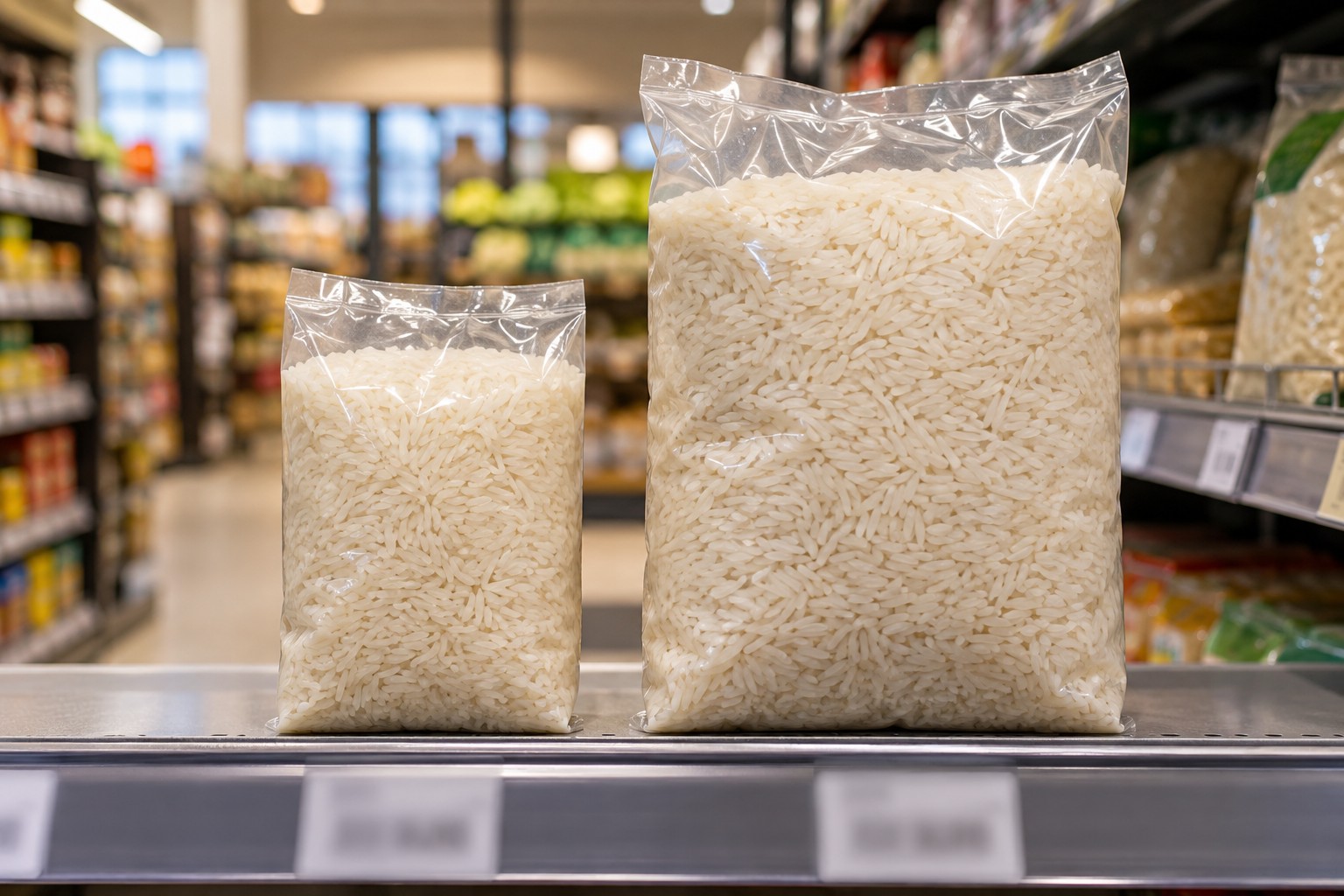
Compare supermarket unit prices across pack sizes
A larger pack does not automatically cost less per unit. Compare the same quantity, then check how much of it your household will actually use.
Home / Everyday shopping
Selection questions, measurements and ownership costs for your next purchase.
Everyday shopping
A larger pack does not automatically cost less per unit. Compare the same quantity, then check how much of it your household will actually use.
Everyday shopping
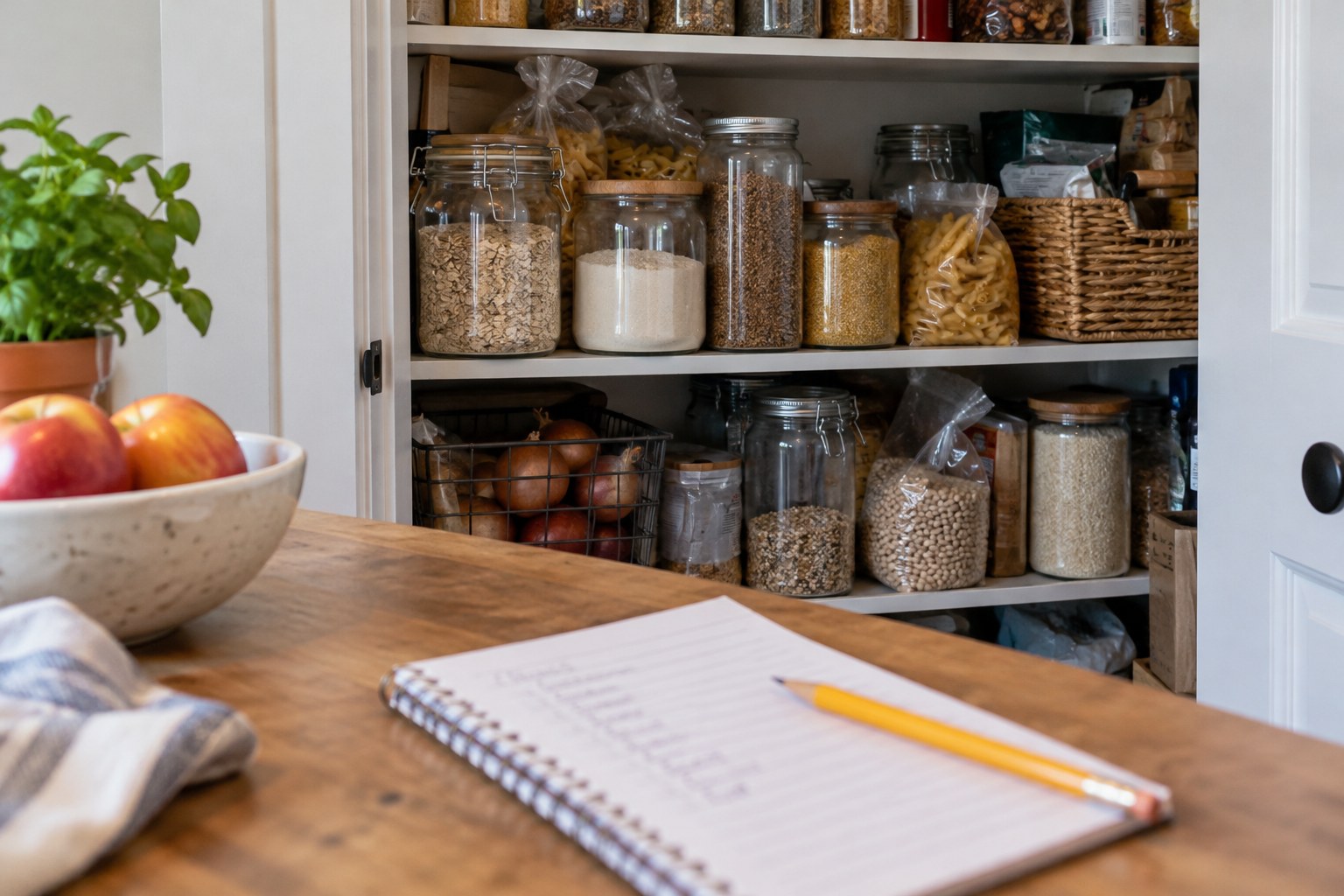
A quick look through the fridge, freezer and cupboard turns a wish list into a purchase that completes the next few meals.
Everyday shopping
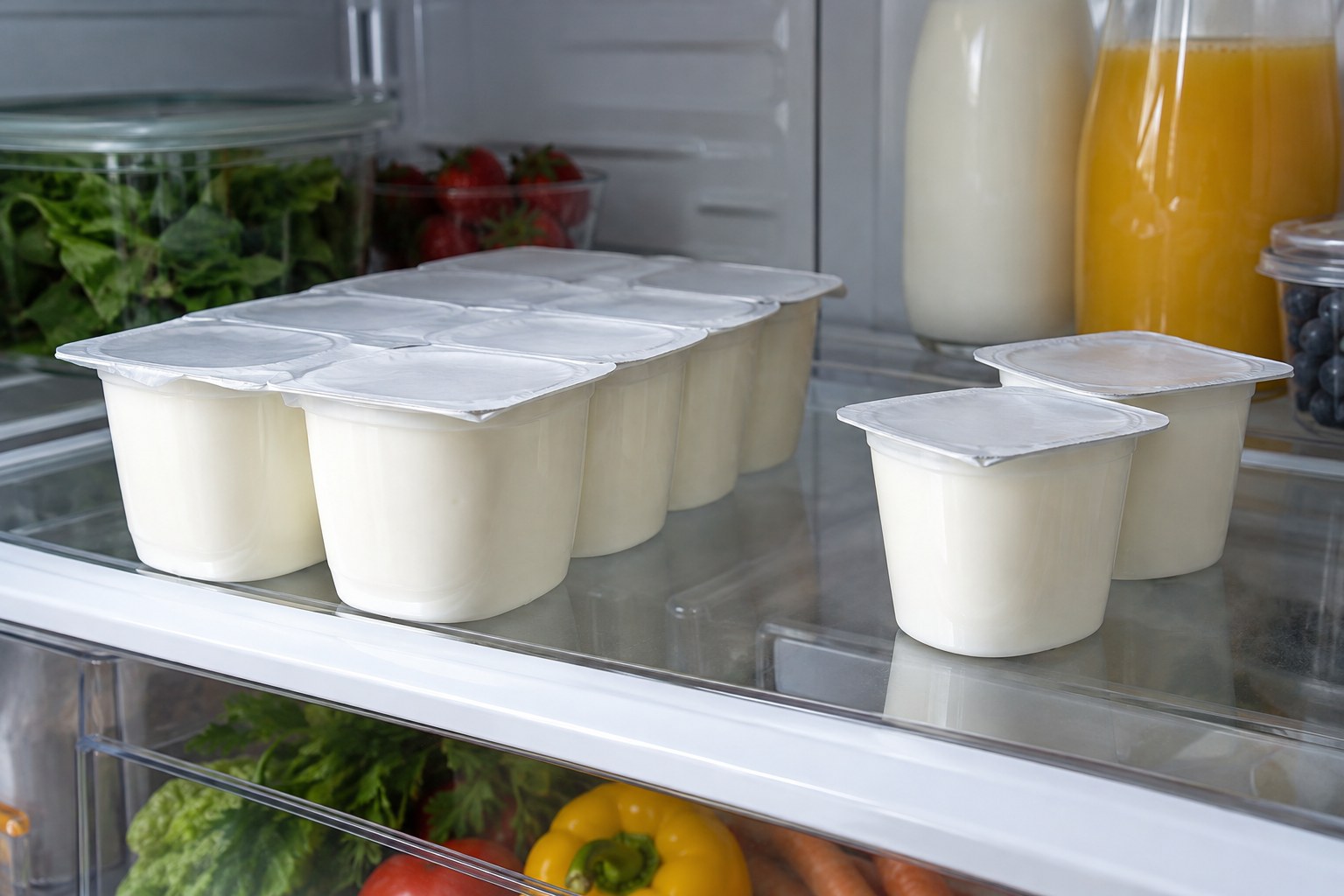
Before buying a multipack, account for normal usage, available storage and the stock already at home.
Everyday shopping
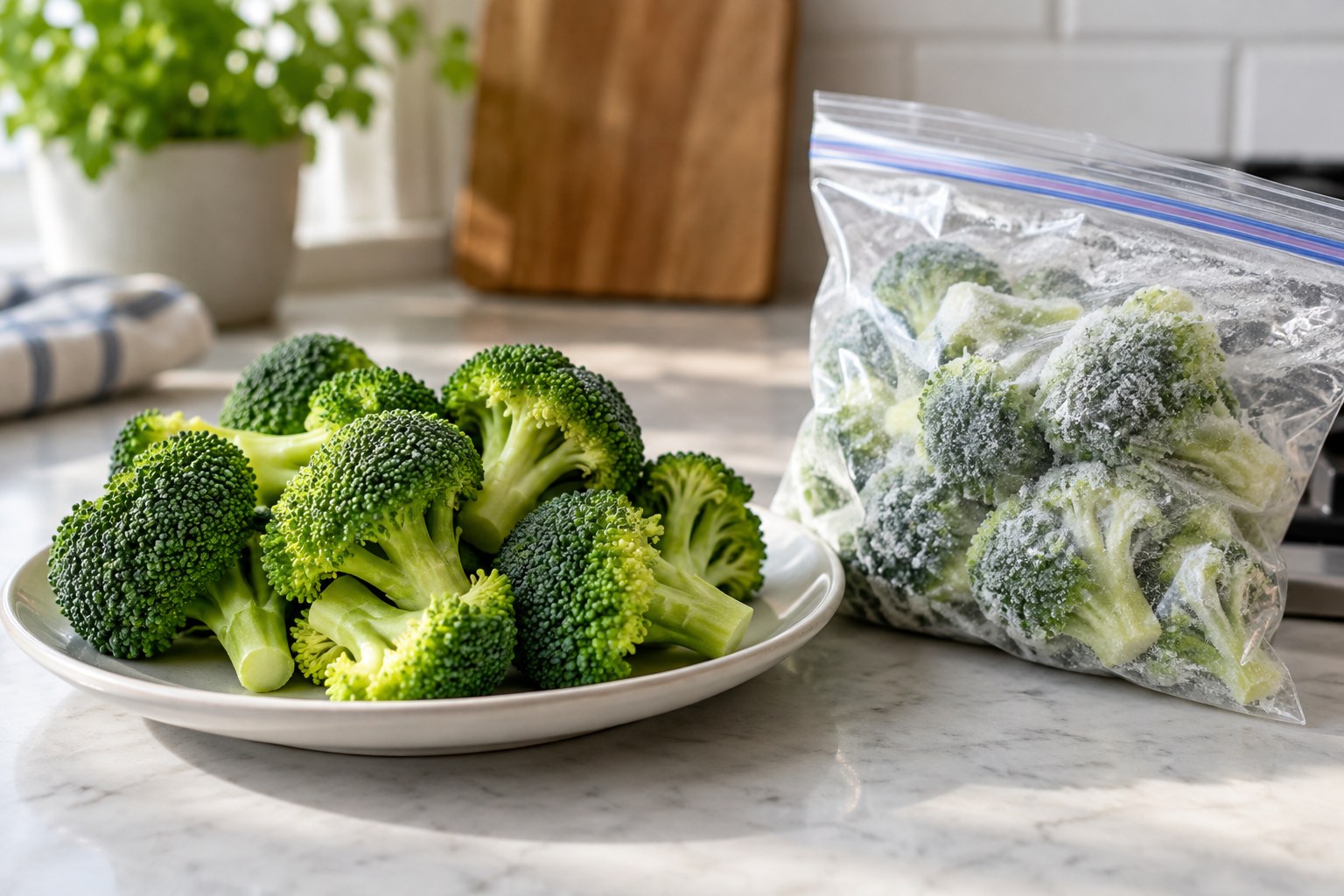
A pack price does not tell you how many suitable portions it will provide for the meals you intend to cook.

Everyday shopping
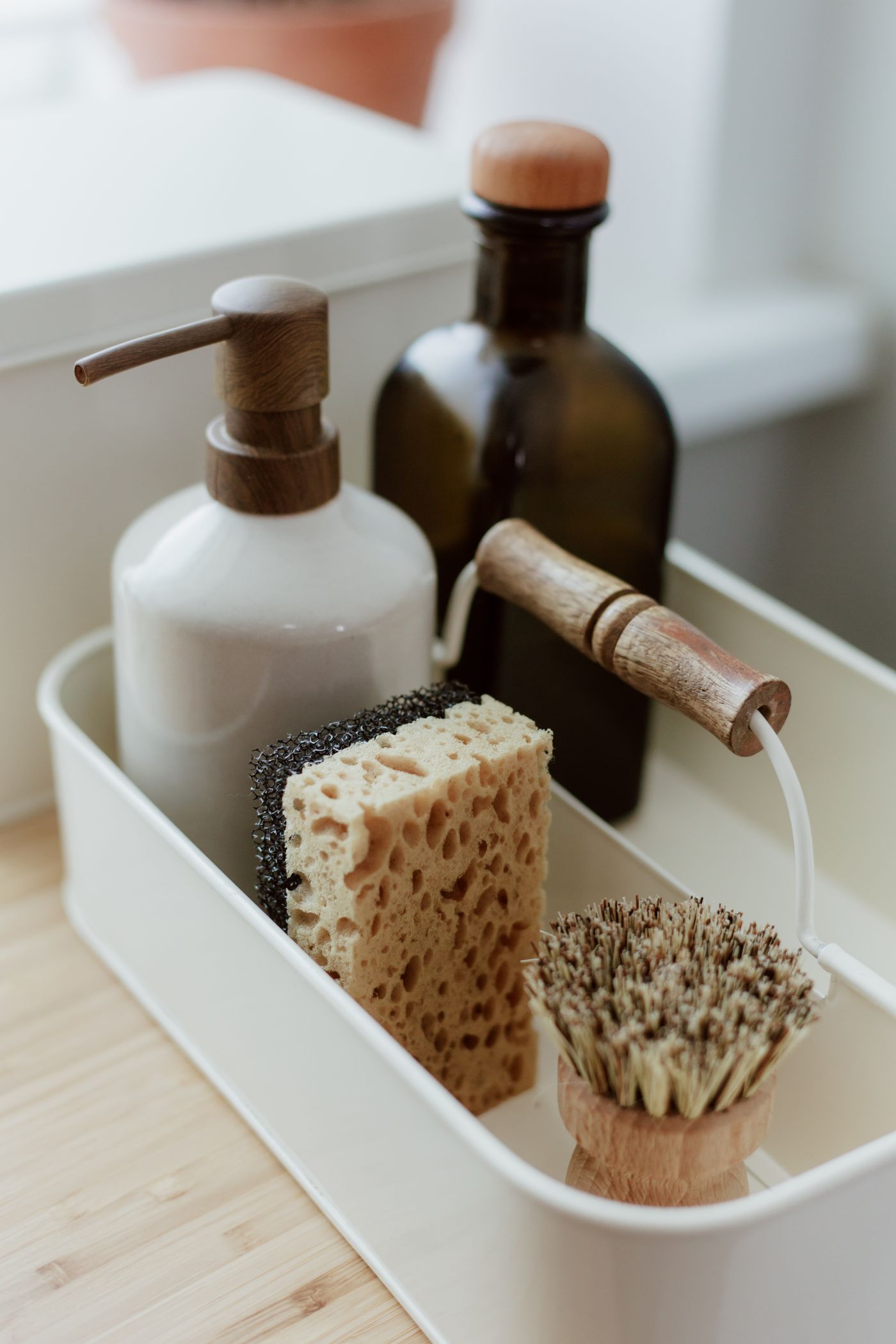
Check the contents, concentration and existing dispenser before adding a refill to the basket.
Everyday shopping
An inventory of household materials helps identify suitable products and avoids accumulating specialist bottles without a clear purpose.

Everyday shopping
Your textiles, normal loads and labelled dosage matter more than the size of the detergent bottle.
Everyday shopping
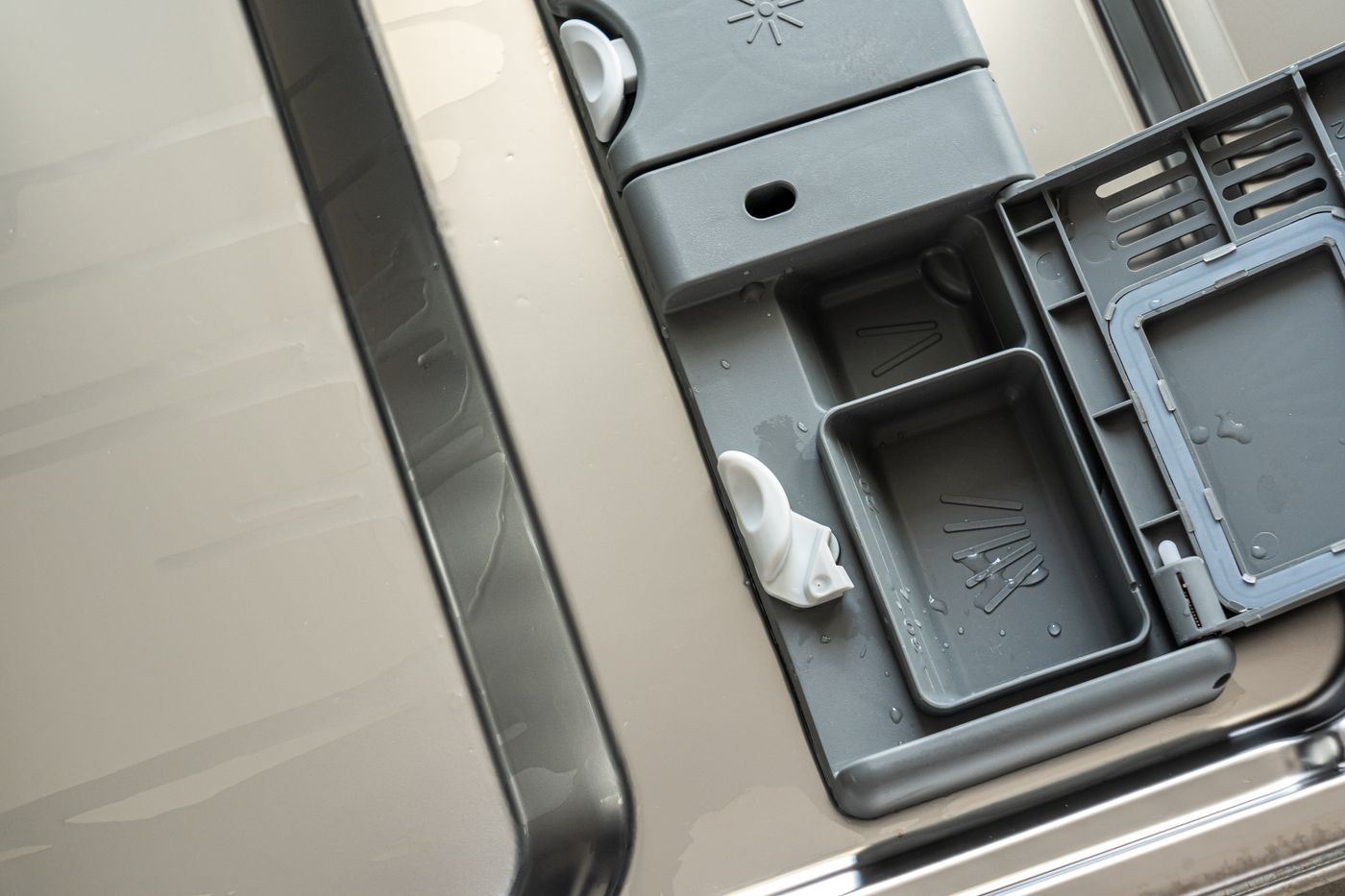
Check the appliance instructions and appropriate dose before comparing pack sizes and costs per wash.
Everyday shopping
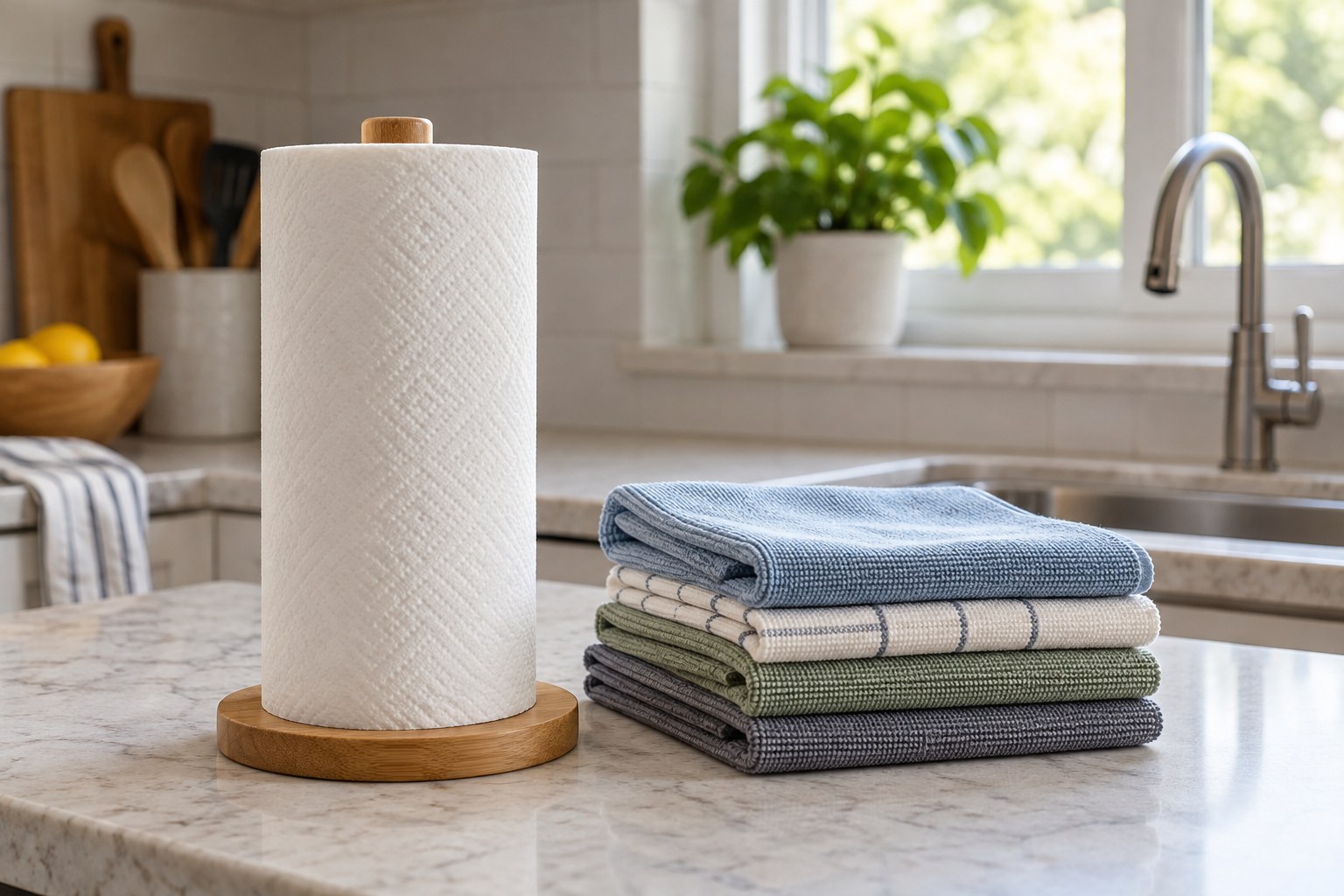
The suitable choice depends on the spill, the surface and the work involved in cleaning and drying the material afterwards.
Everyday shopping
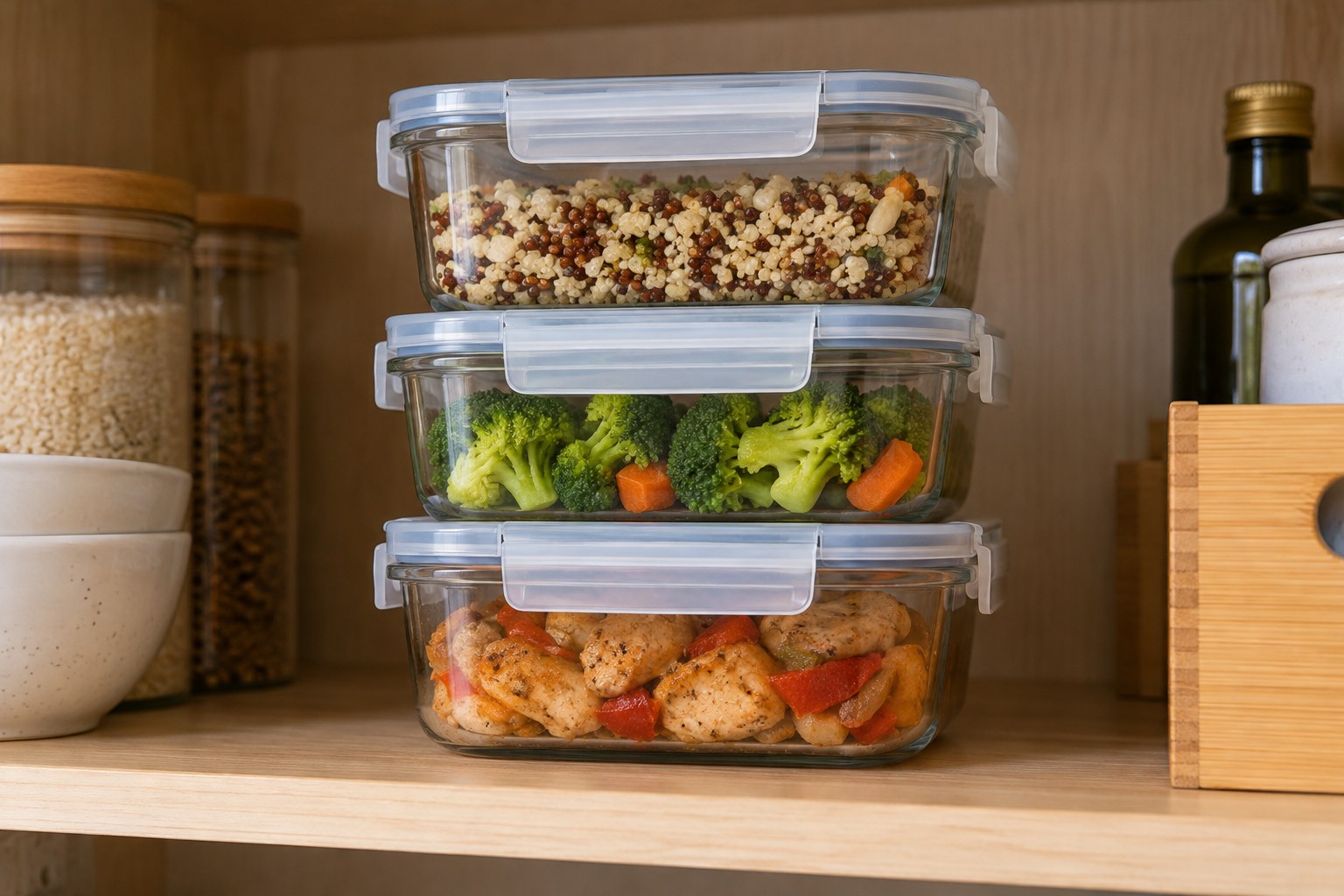
Measure usable space and check lids, shapes and quantities before buying a large container set.
Everyday shopping
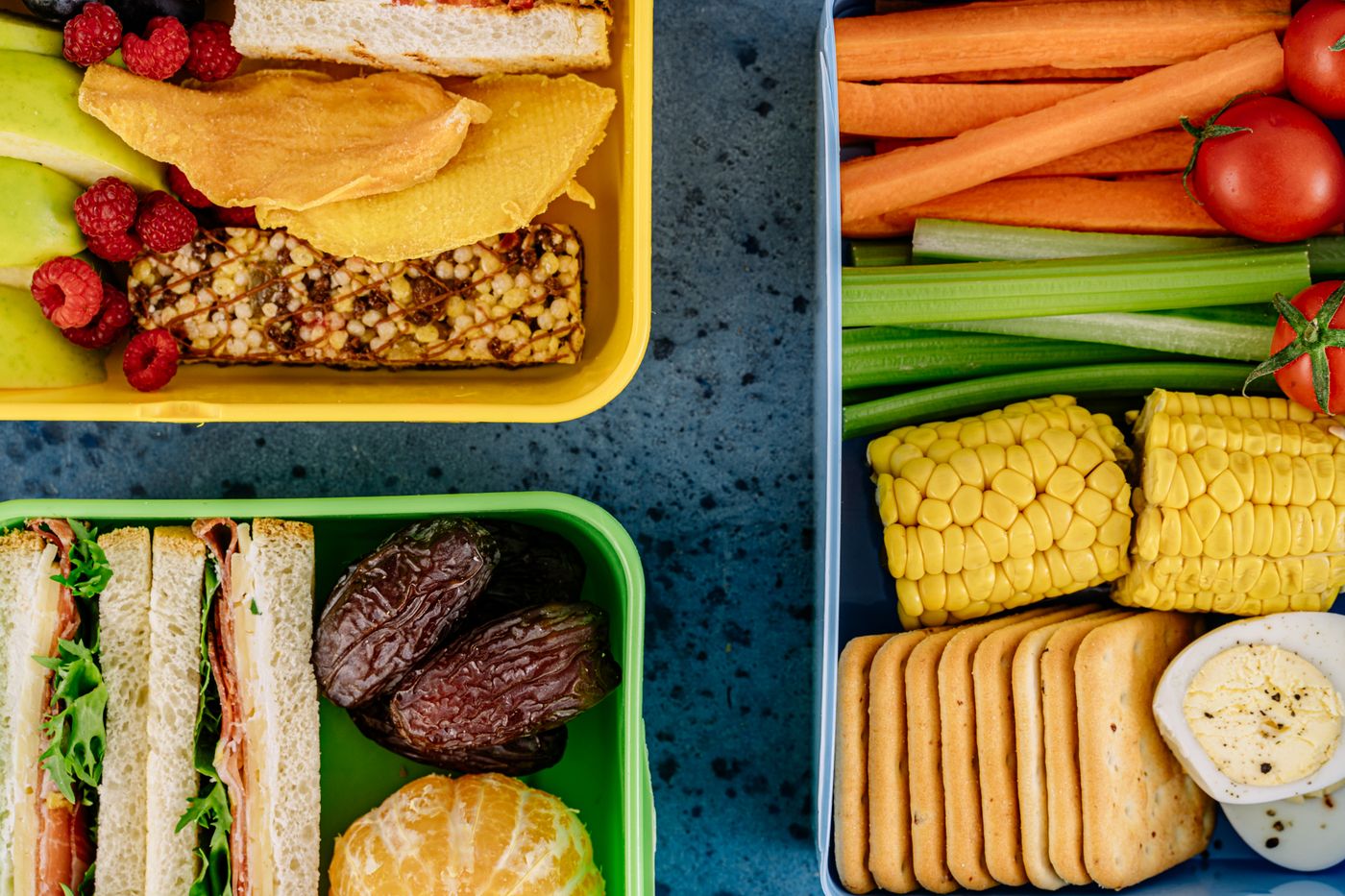
A sandwich, a mixed salad and a portion to reheat place different demands on a container's shape and closure.

Everyday shopping
The opening, lid and seal determine how comfortably a reusable bottle fits the daily routine.
Everyday shopping
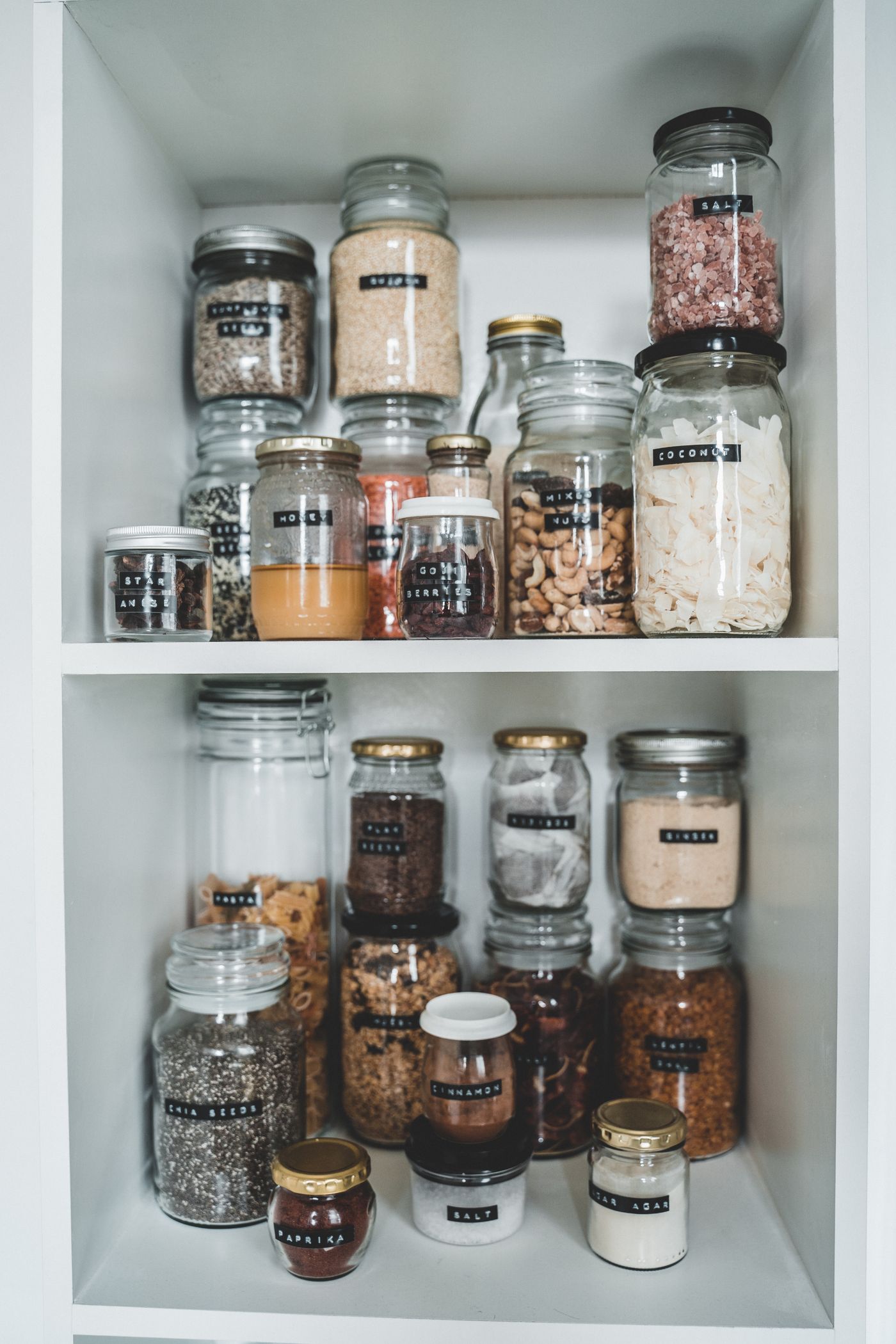
A limited, visible storage area is more useful than extra supplies disappearing behind existing stock.
Everyday shopping
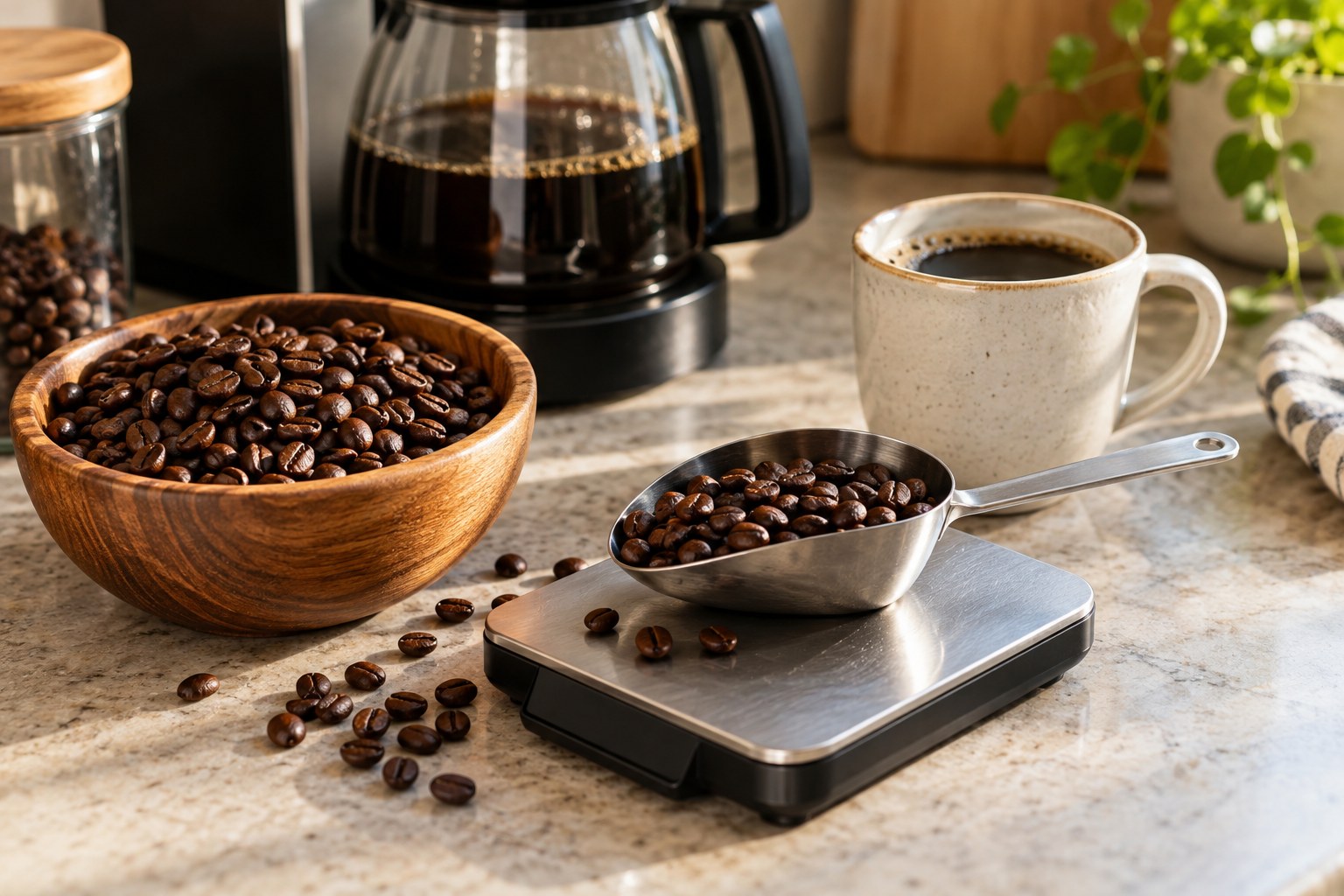
The pack price, amount of beans used and additional ingredients together create a useful comparison.
Everyday shopping
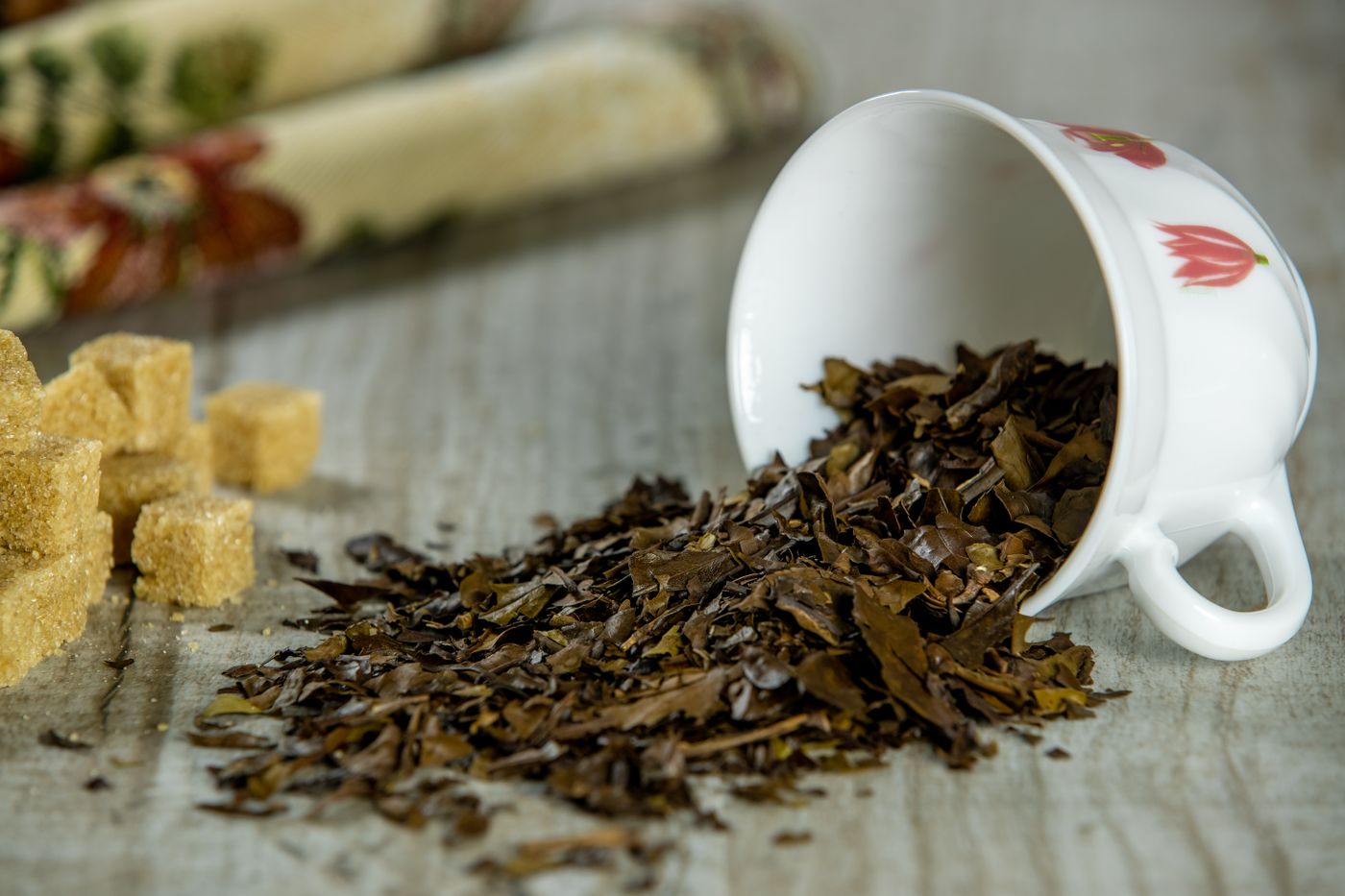
Compare the quantity prepared and the equipment already available rather than judging only the package weight.
Everyday shopping
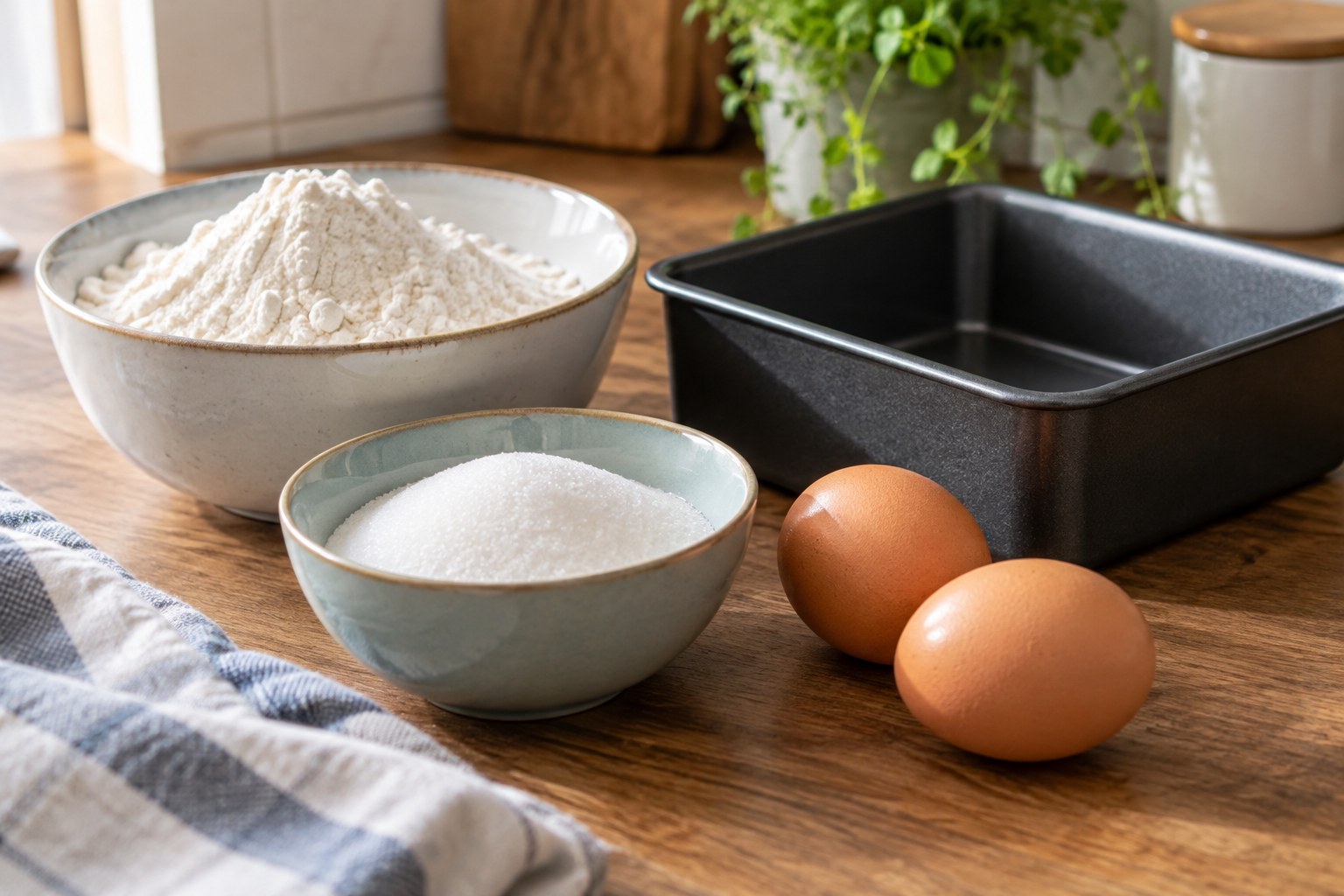
Plan the recipe, baking tin and leftover ingredients together before a larger pack appears to offer a saving.

Everyday shopping
Clear quantities, responsibility and substitution notes prevent duplicate purchases better than a long list without shared rules.
Everyday shopping
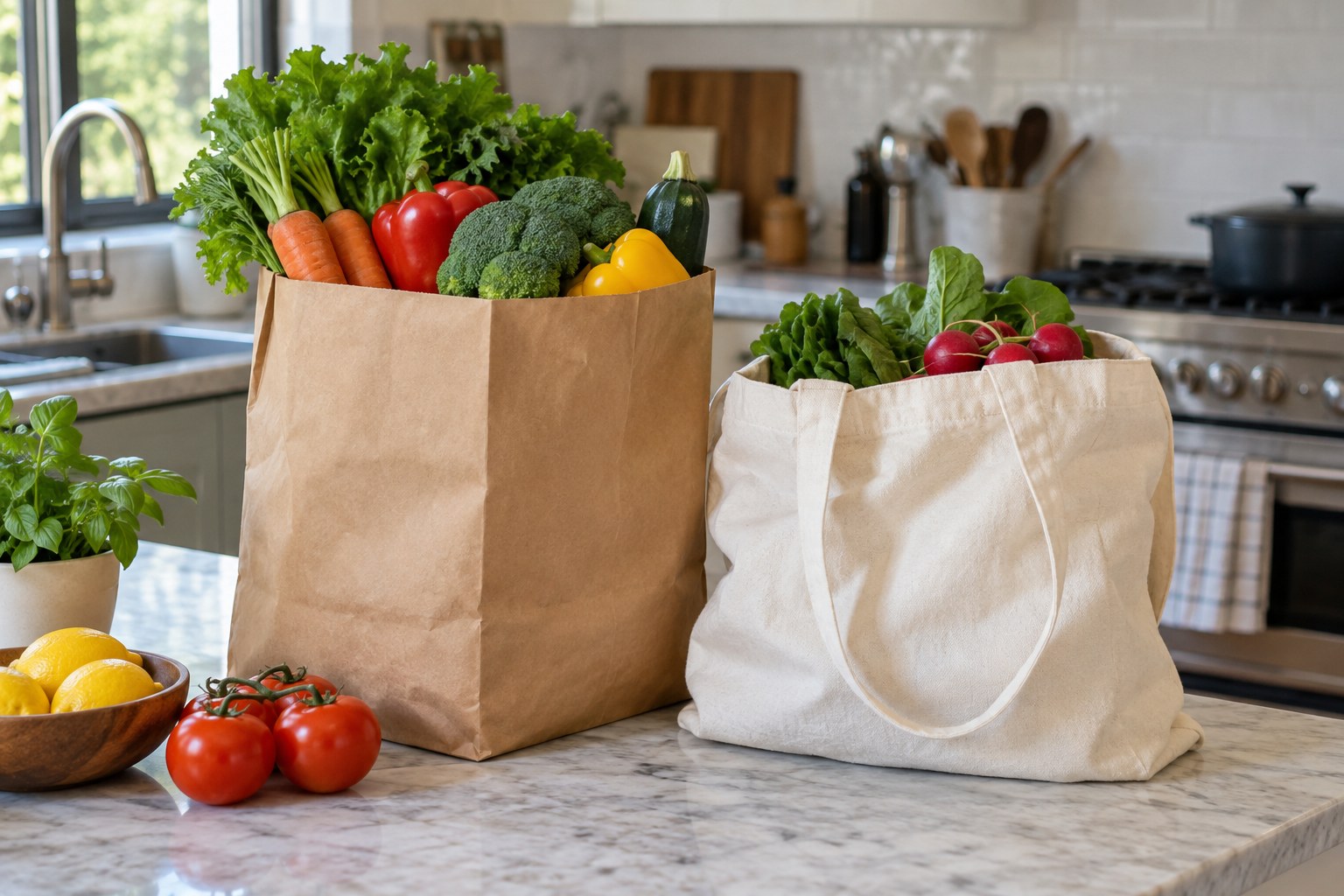
Delivery charges, minimum orders, travel and substitutions belong in the same comparison as the products themselves.
Everyday shopping
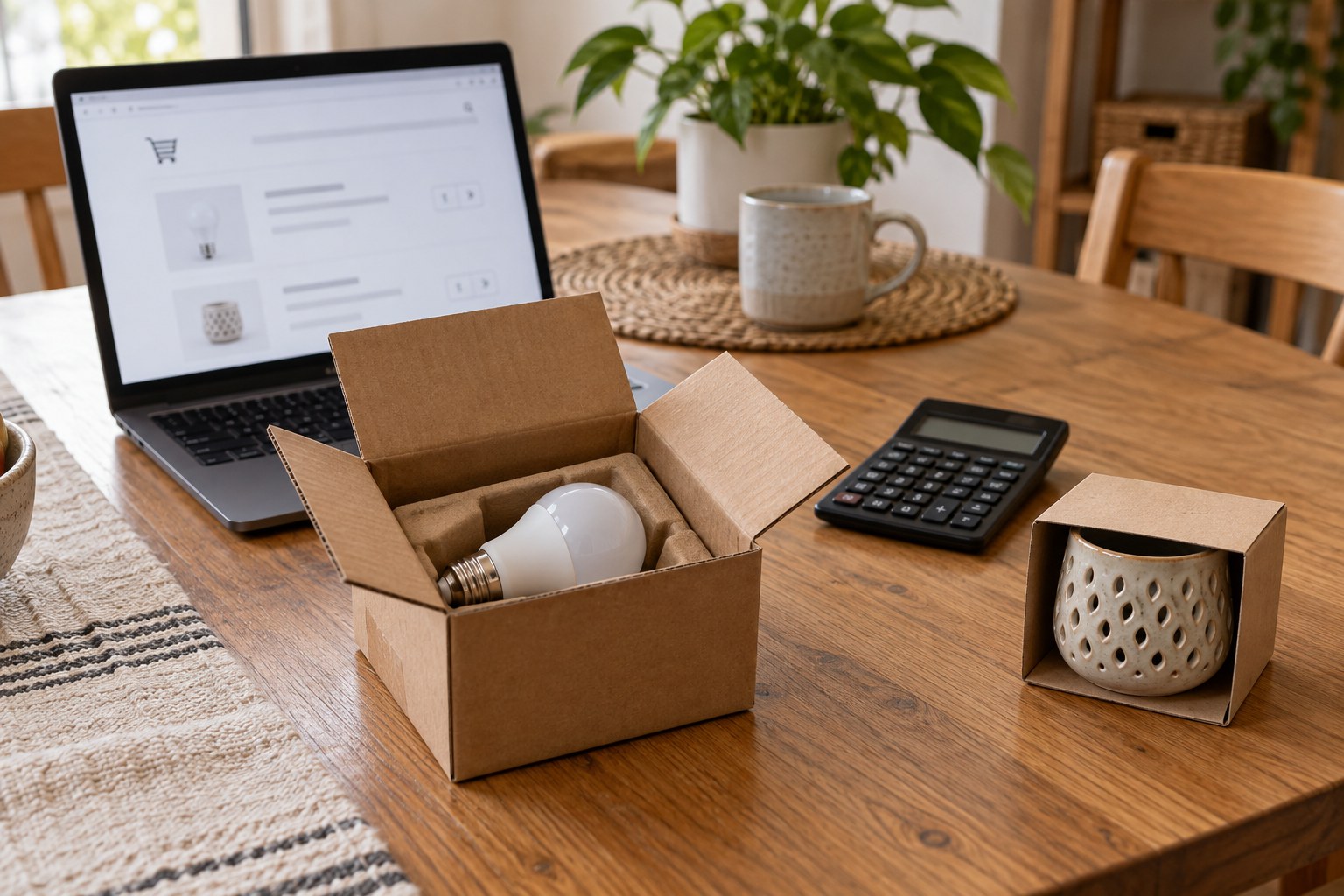
Being a small amount below free shipping is not, by itself, a reason to order another item.

Everyday shopping
Keep planned needs separate from wishes that appear only after seeing a promotional display.
Everyday shopping
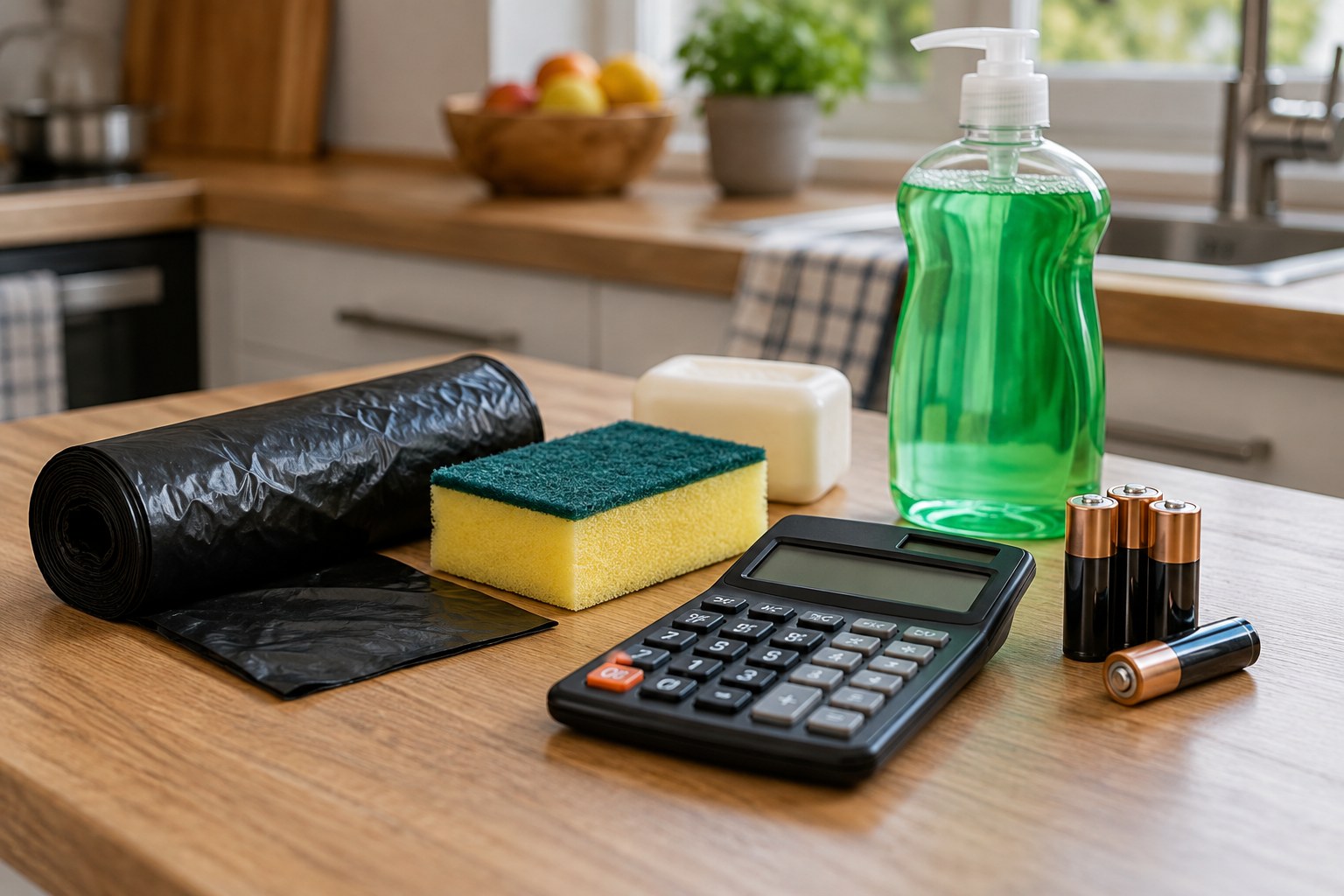
A small record shows which supplies are repeatedly replaced and where actual usage differs from expectations.
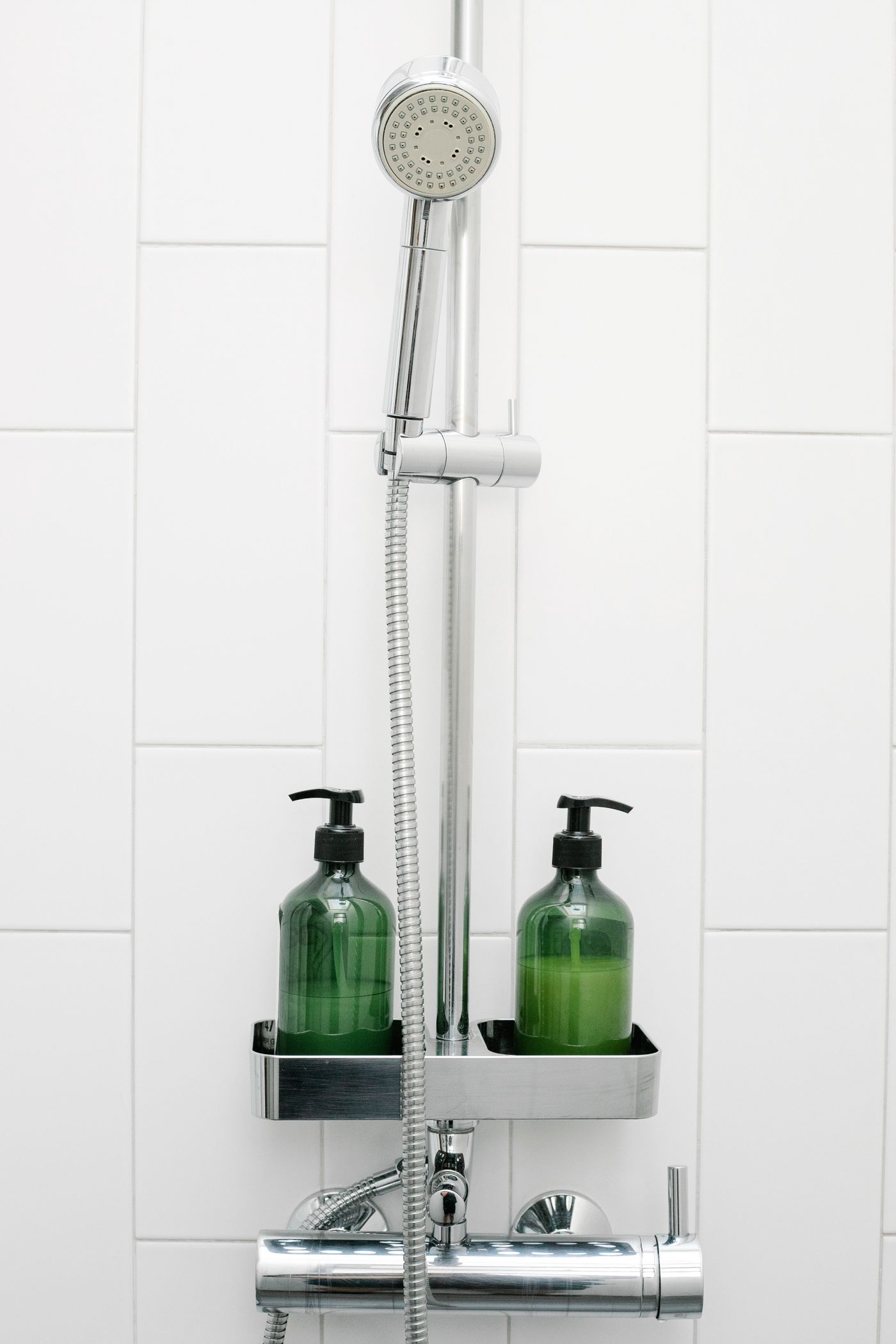
Everyday shopping
A large bottle makes sense only when the product, quantity and everyday use fit together.
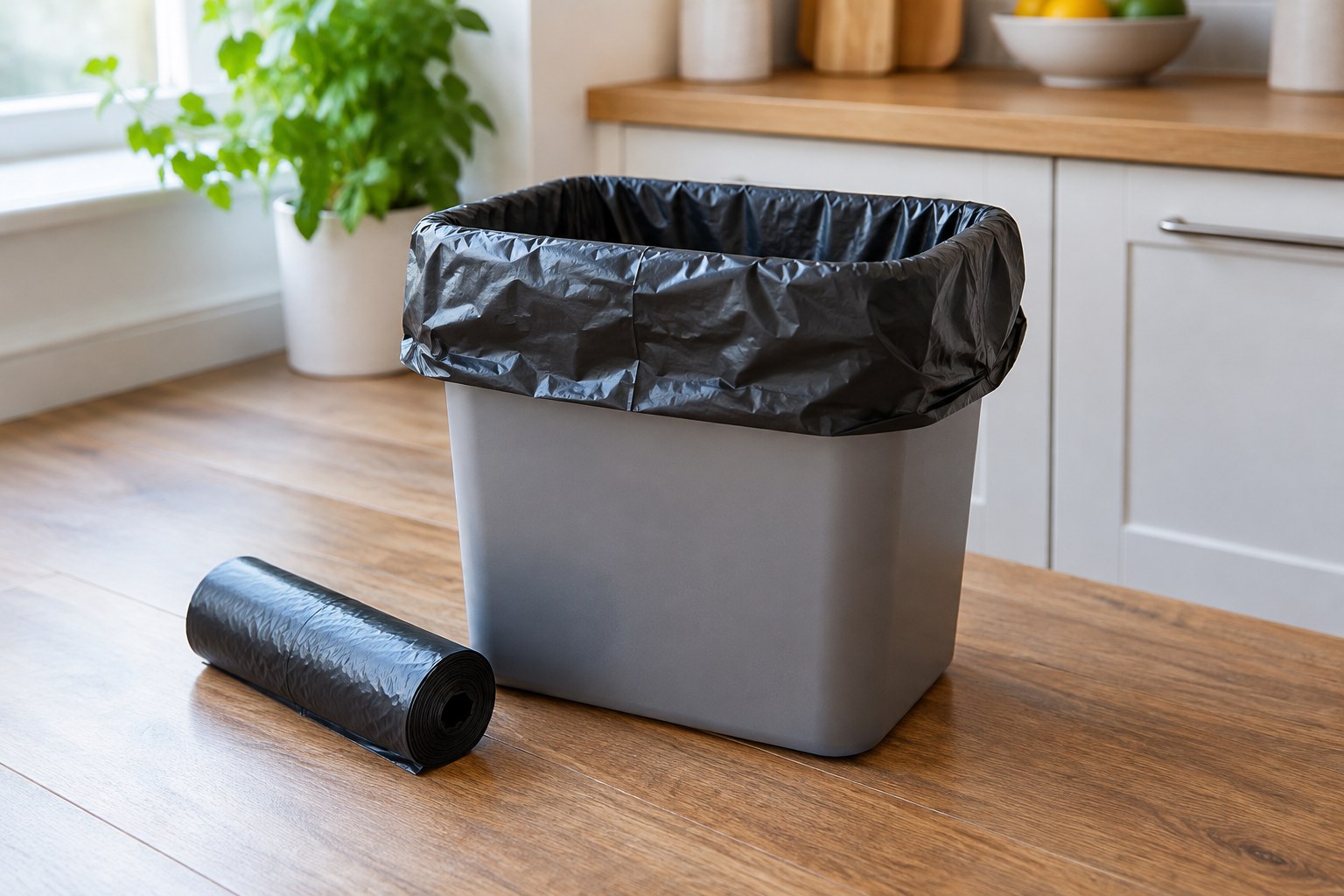
Everyday shopping
Capacity, opening size and the way the liner is held in place need to work together.

Everyday shopping
Head size, handle and material should suit the exact place that needs to be reached.
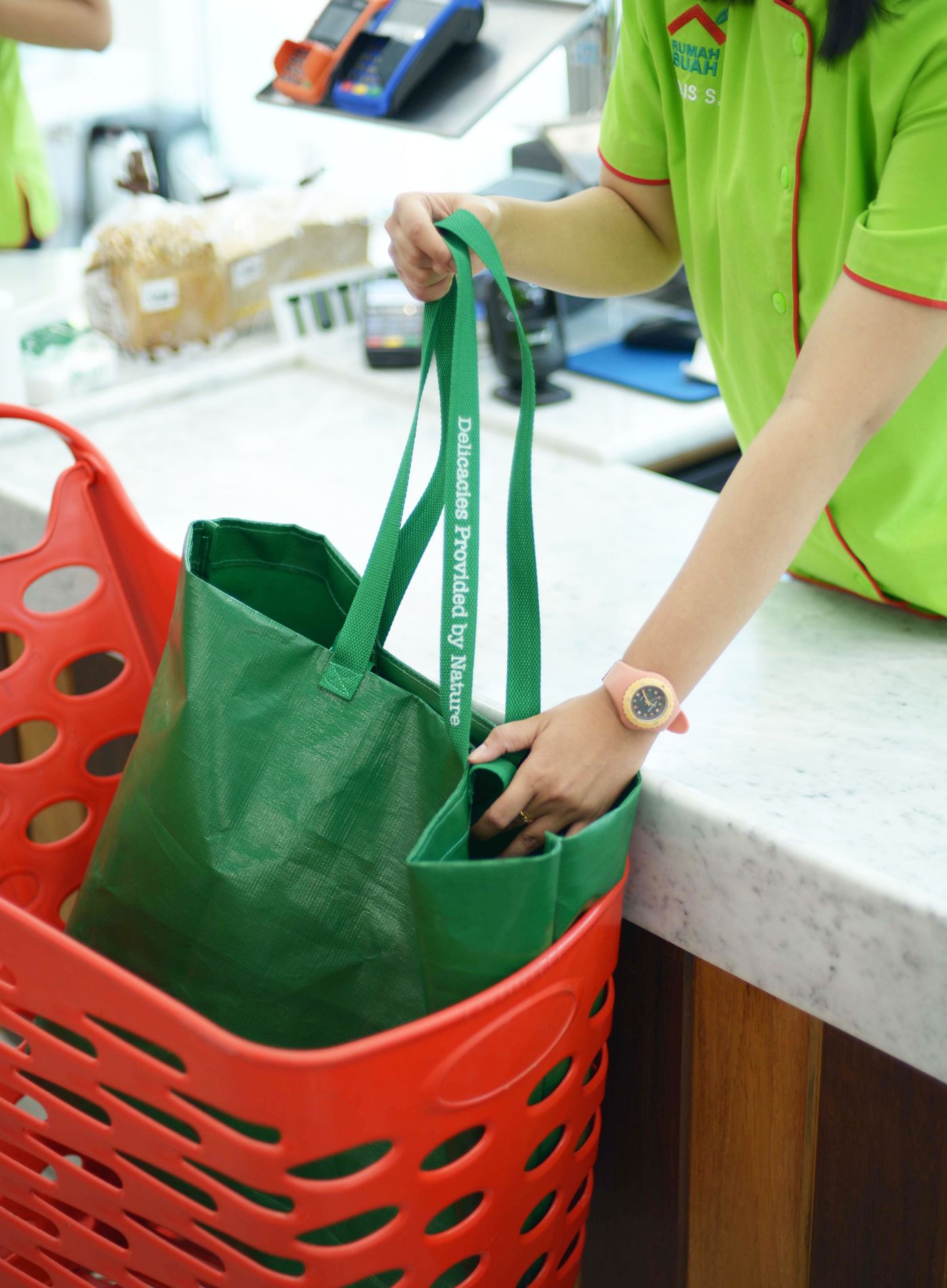
Everyday shopping
Volume is only one factor: handles, empty weight and the journey home determine which bag fits.
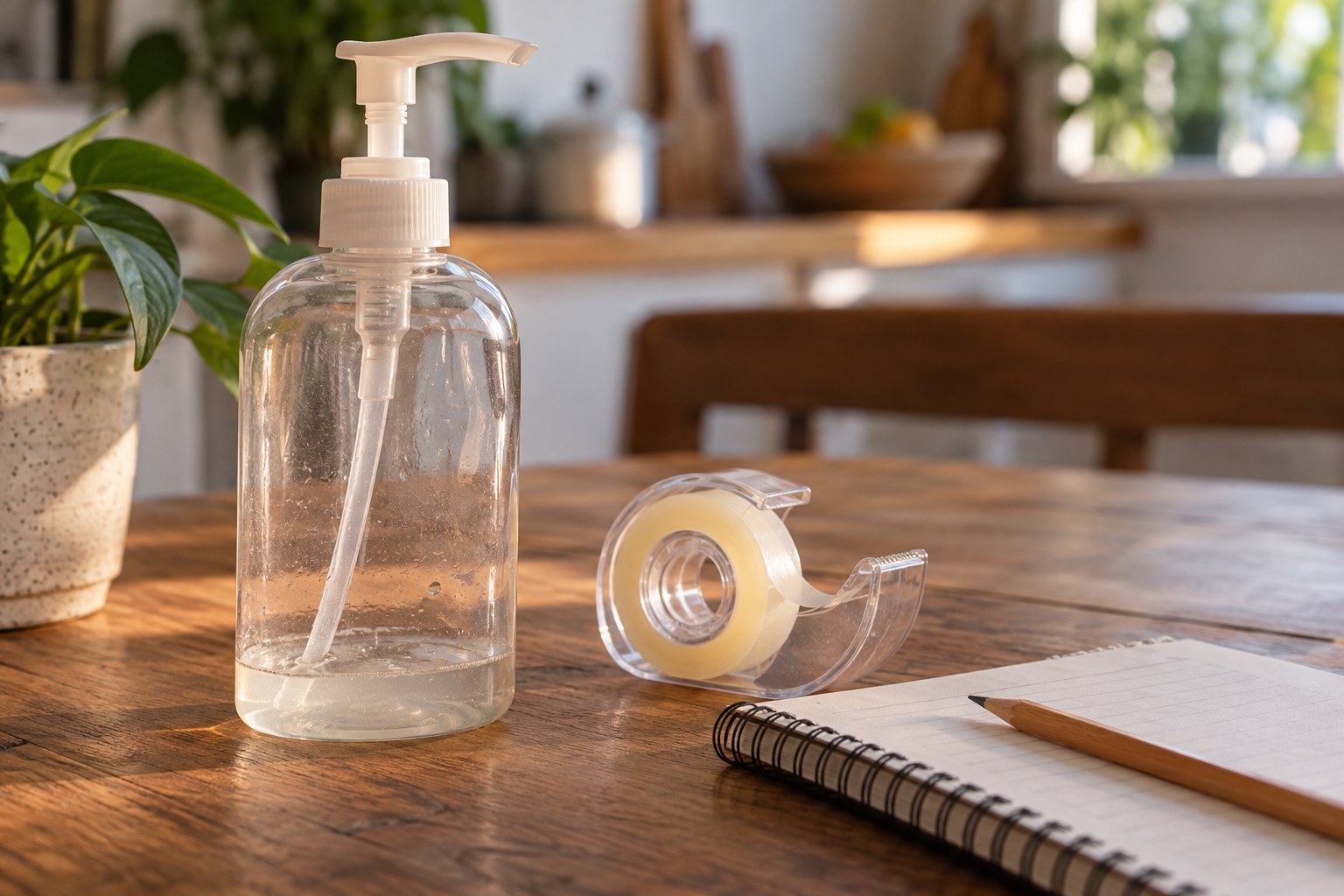
Everyday shopping
Record the need and exact variant before something becomes unavailable and an urgent replacement is required.

Everyday shopping
Attendance, preferences and storage determine a useful quantity more than the discount on a large carton.
Everyday shopping
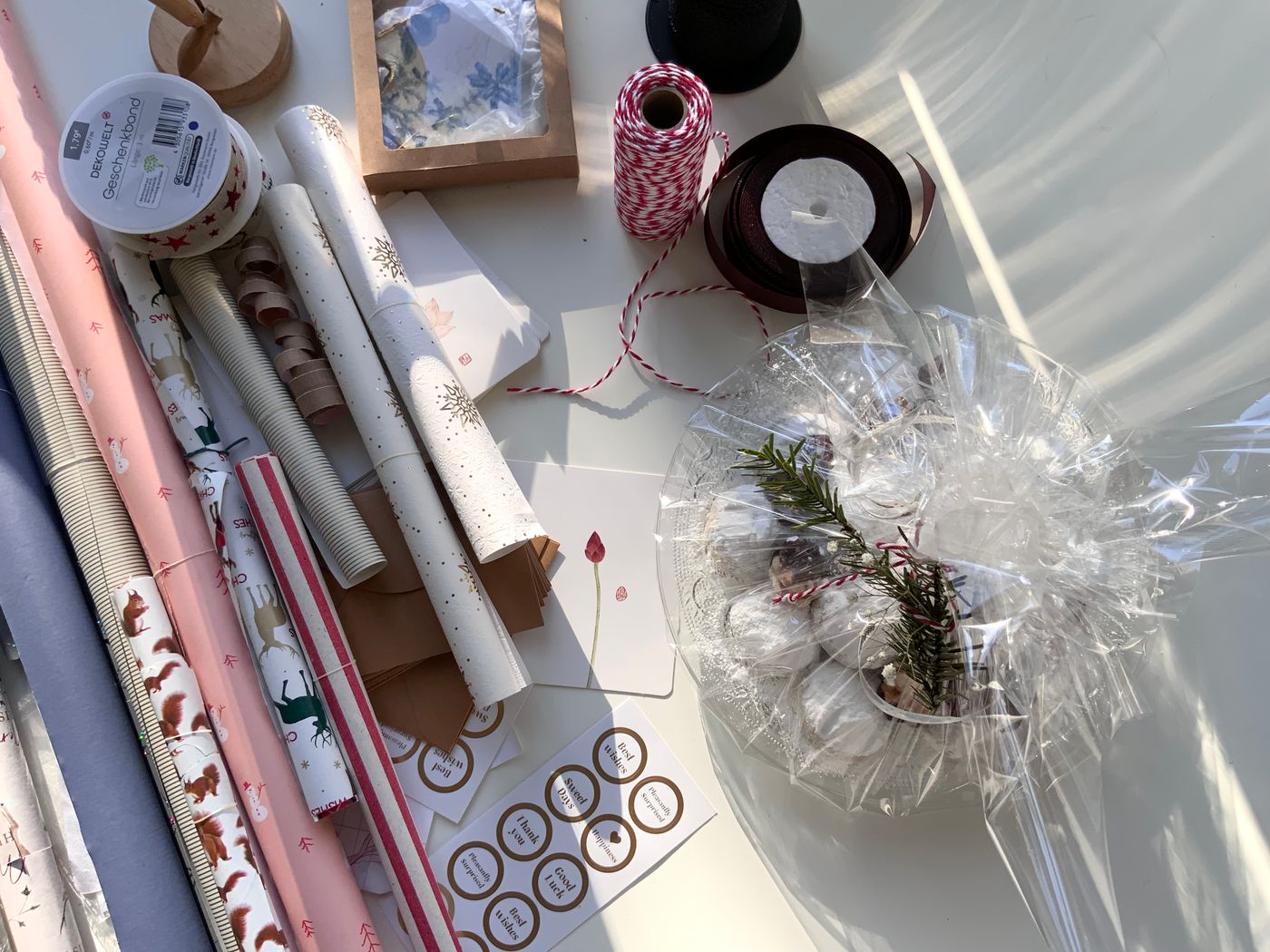
Size, occasion and storage space help create a small useful selection rather than an expanding collection.
Everyday shopping
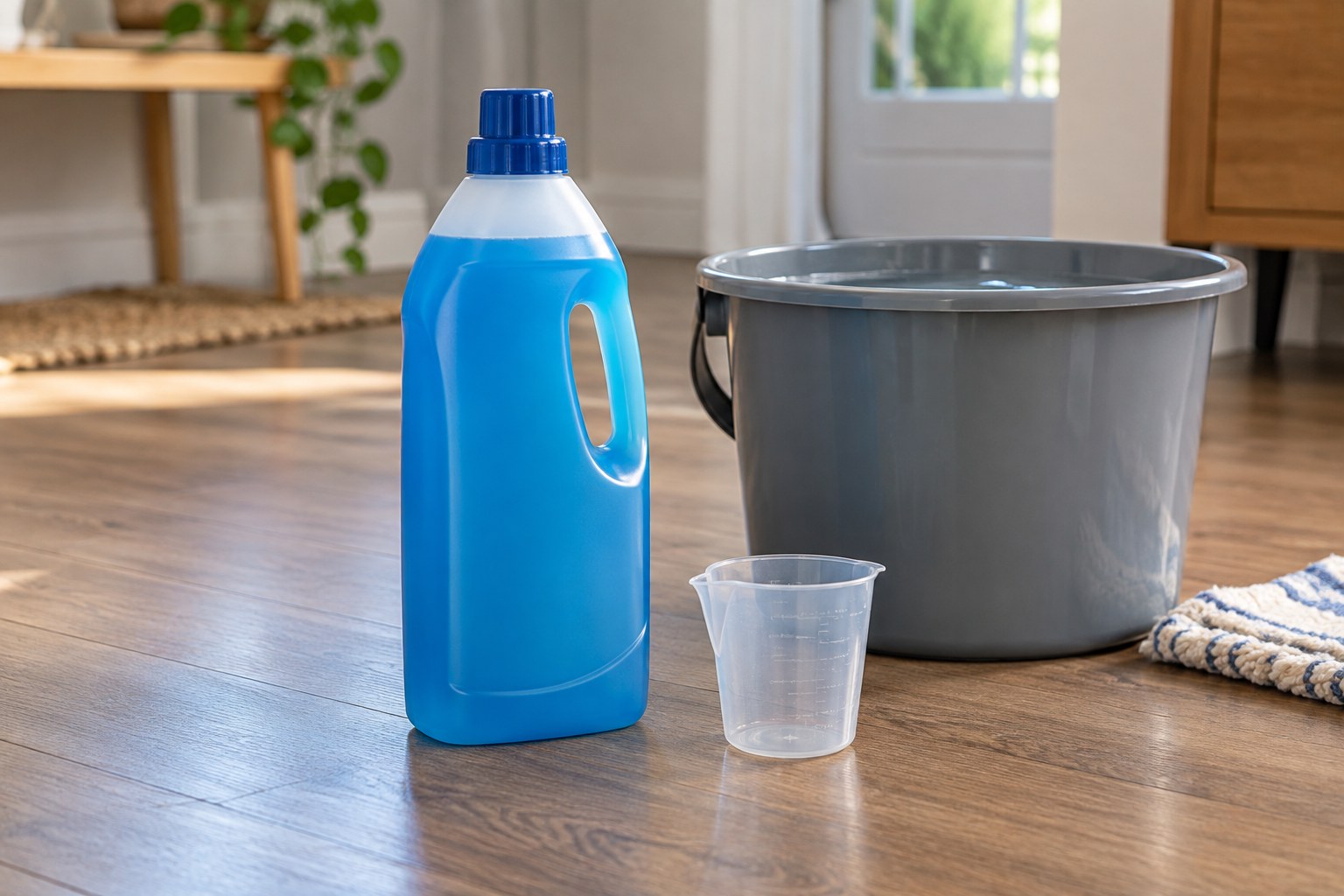
A small container may provide many applications; the specific task and product instructions determine the useful comparison.
No matching articles. Try a different search.