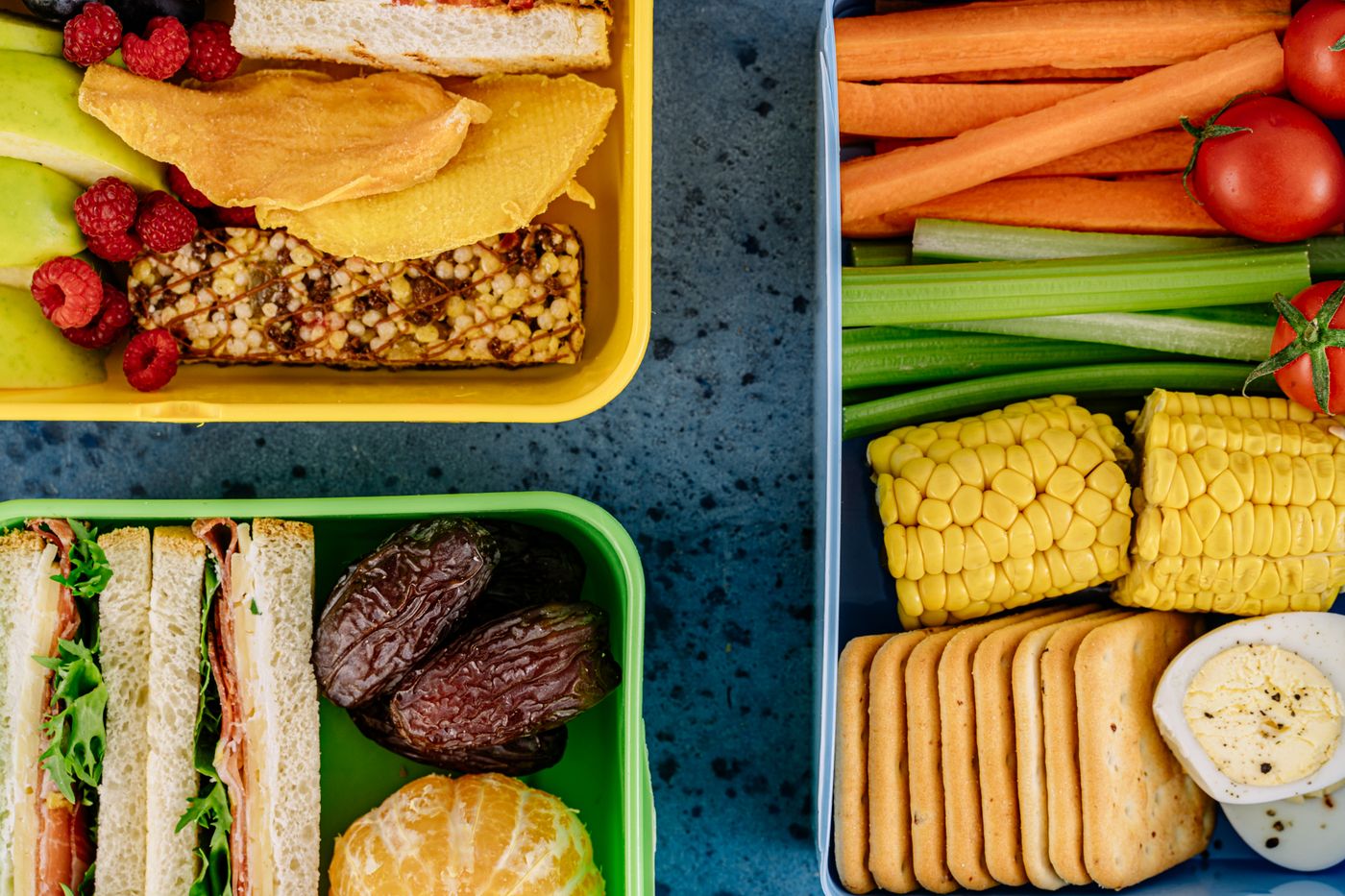
Choosing a lunch box becomes easier once you know what normally goes inside. A large rectangular box gives a sandwich room, but may be unnecessarily bulky for a small snack. Several compartments look versatile while taking up space themselves; they do not automatically suit every meal.
Place a typical portion on a plate or in an existing container. This provides useful clues about width, height and volume. Include space for cutlery or separate dressing if those are regularly carried.
Include the journey in the choice
Check the bag in which the box will travel. Will it remain upright or lie between other belongings? A lid adequate for dry food may not be intended to hold liquids while sideways. Rely on the information for the specific product and use it within those stated conditions.
Consider how the closure works. The person using the box needs to open and close it reliably. A very stiff clip is not an advantage if it is rarely fastened completely. Equally, an easy-to-use fastening should not release accidentally in transit.
Think through cleaning first
Examine corners, seals and removable inserts. Can all parts be reached and cleaned according to the instructions? A box with five small inserts creates a different routine from a simple container. Decide whether the divisions are actually needed for your meals.
For heating or cooling, follow the individual manufacturer's guidance. Check the lid and base separately rather than assuming suitability because a material looks familiar. The food's safe storage also has to fit the day's schedule; a container by itself does not resolve that question.
If an existing lunch box meets almost every need, a suitable small internal container may be enough. A completely new set could be unnecessary. Conversely, avoid buying a large collection first and then inventing meals to justify it.
After several uses, the fit becomes clearer. Compartments that remain empty or sandwiches that are repeatedly compressed offer useful evidence for the next purchase. The most relevant size guide often comes from your own packed portion rather than the number of advertised features.