Office snack supplies can quickly become uneven. Some varieties disappear immediately while others remain despite being bought in quantity. Before ordering another mixed box, examine actual use: who is present, when snacks are offered and which quantities regularly remain?
Plan for the specific period. An ordinary working week differs from a meeting day with visitors. Attendance should not be equated with the total workforce when many people are elsewhere. Use current information rather than a standard portion assigned to every employee.
Ask before ordering
A brief enquiry can establish which types of snacks are wanted. Necessary dietary requirements and allergy information should be handled through the workplace's appropriate procedures. Keep product identification and ingredient information available; unlabelled decanted contents make informed choices harder.
There is no need to select ten varieties merely to display variety. A few requested products are easier to manage. Try unfamiliar options in modest quantities before ordering a carton. One positive comment does not establish that a bulk pack will be used quickly.
Plan serving and storage
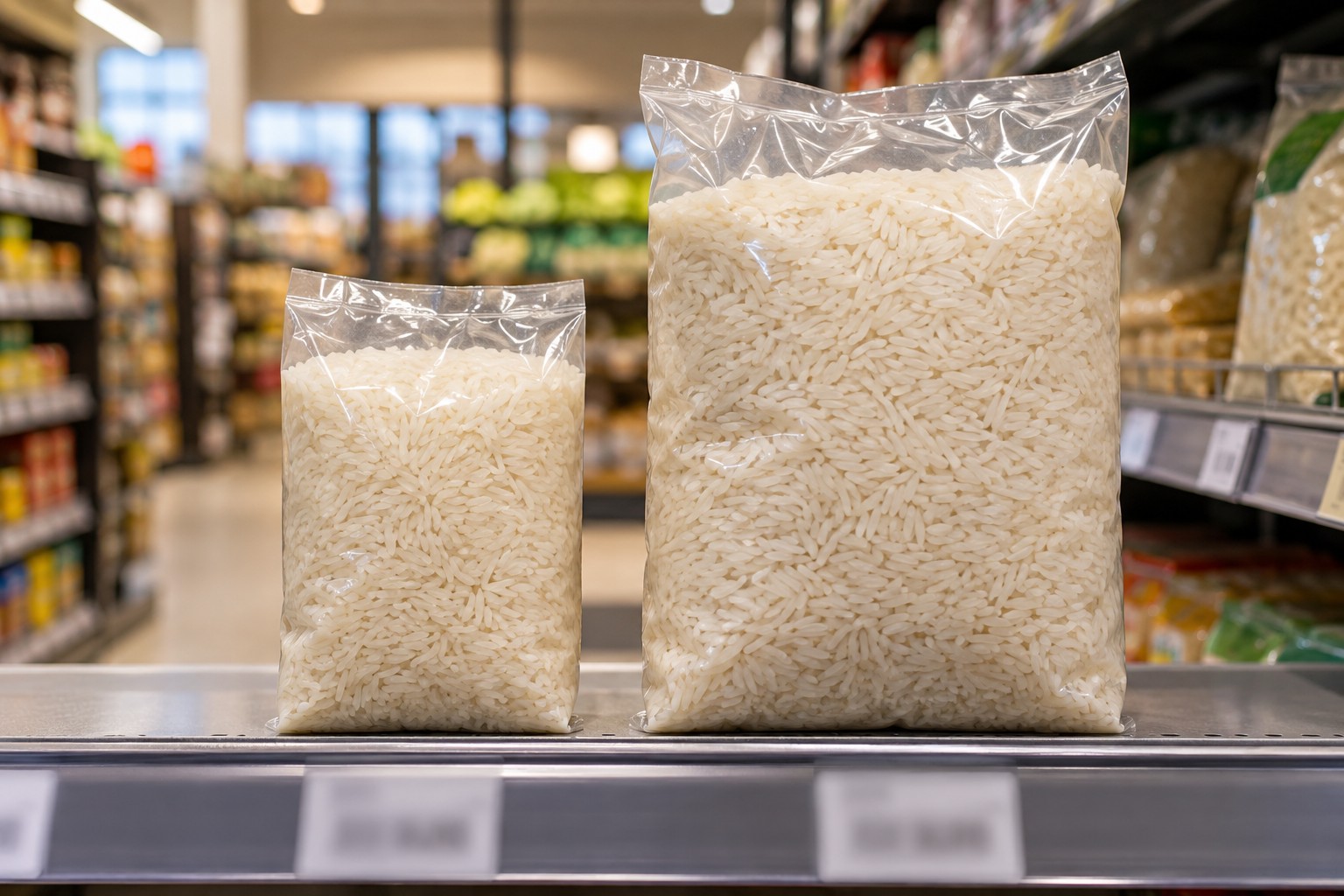
Large packs and individual portions have different implications for the intended routine. Establish how food will be opened, offered and then stored according to its instructions. An inexpensive bulk pack is less useful when no suitable process exists for the opened contents.
Give the supply a visible location and make responsibility for reordering clear. This prevents several people from placing replacement orders simultaneously. Count reserve packs before buying again rather than looking only at the empty serving area.
Adjust after an ordinary period
Record roughly what remained and what genuinely ran short. A simple difference in stock is sufficient; there is no need for a record of individual consumption. The purpose is choosing purchasing quantities, not monitoring particular people.
Separate special events from routine demand. A large remainder after a cancelled meeting does not prove that the variety is unpopular. Conversely, unusually high use on one day should not automatically establish the new standard order. Small adjustments based on several ordinary weeks are easier to justify than jumping to the next bulk quantity.