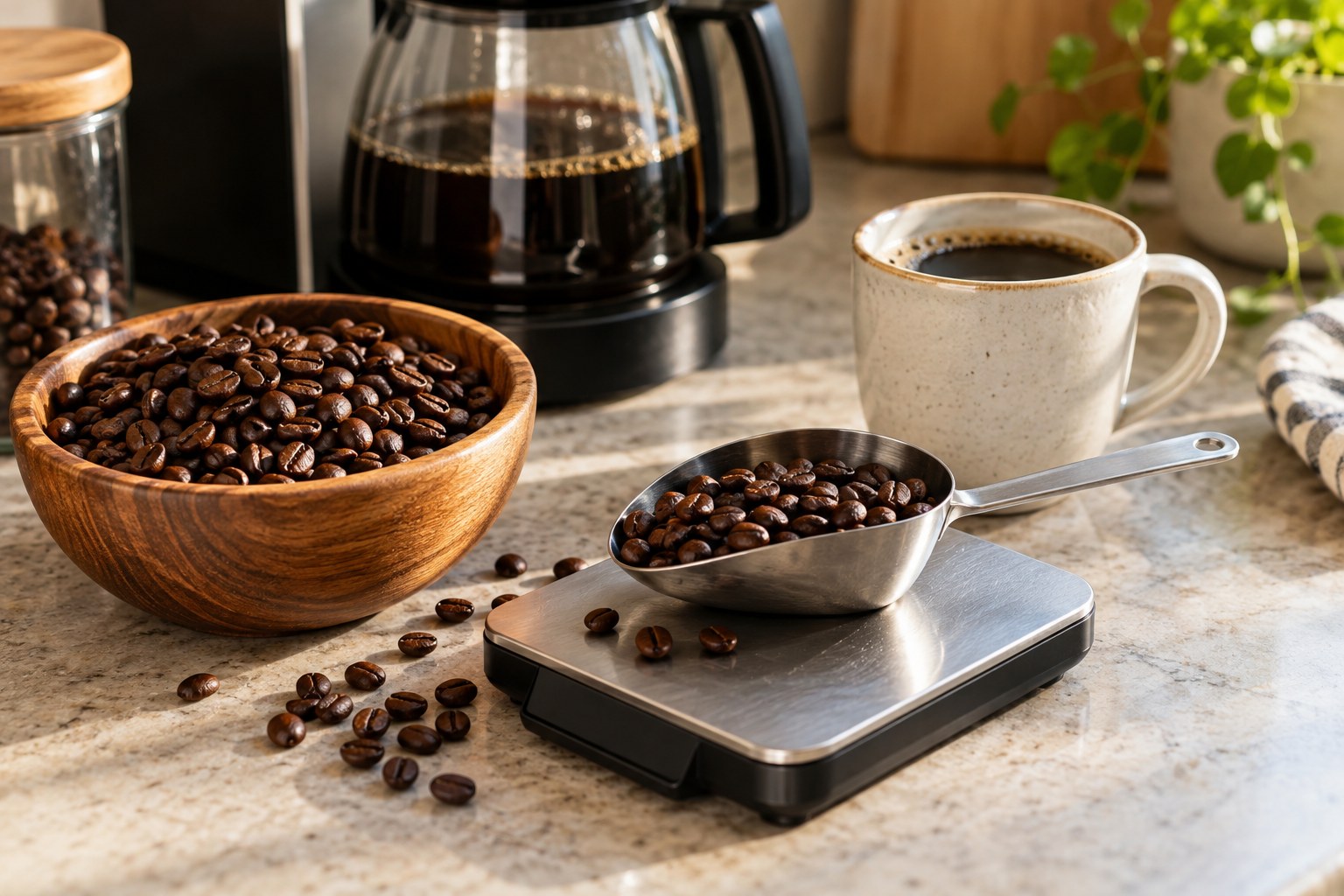
The kilogram price of coffee beans is a starting point, but not yet the cost of the cup on the table. The amount used depends on the brewing method and intended drink. When comparing beans or package sizes, keep your own preparation method consistent first.
For a few ordinary drinks, note the amount of beans actually used where your method allows it to be measured sensibly. An automatic machine's settings and available manufacturer information may limit precision. Do not invent accuracy the machine cannot provide; a clearly described estimate is more useful than a falsely exact figure.
An example with clear boundaries
Suppose, purely for illustration, that one kilogram of beans costs $20 and a drink uses 15 grams. The bean cost is then $0.30. These figures are neither current prices nor a recommended dose. The principle is the useful part: divide the kilogram price by one thousand, then multiply by the grams used.
Compare the same kind of drink when assessing another pack. A small espresso and a large milk coffee are not equivalent units for a complete beverage-cost comparison. Milk, a plant-based alternative or other regularly used ingredients can be added separately.
Match pack size to consumption
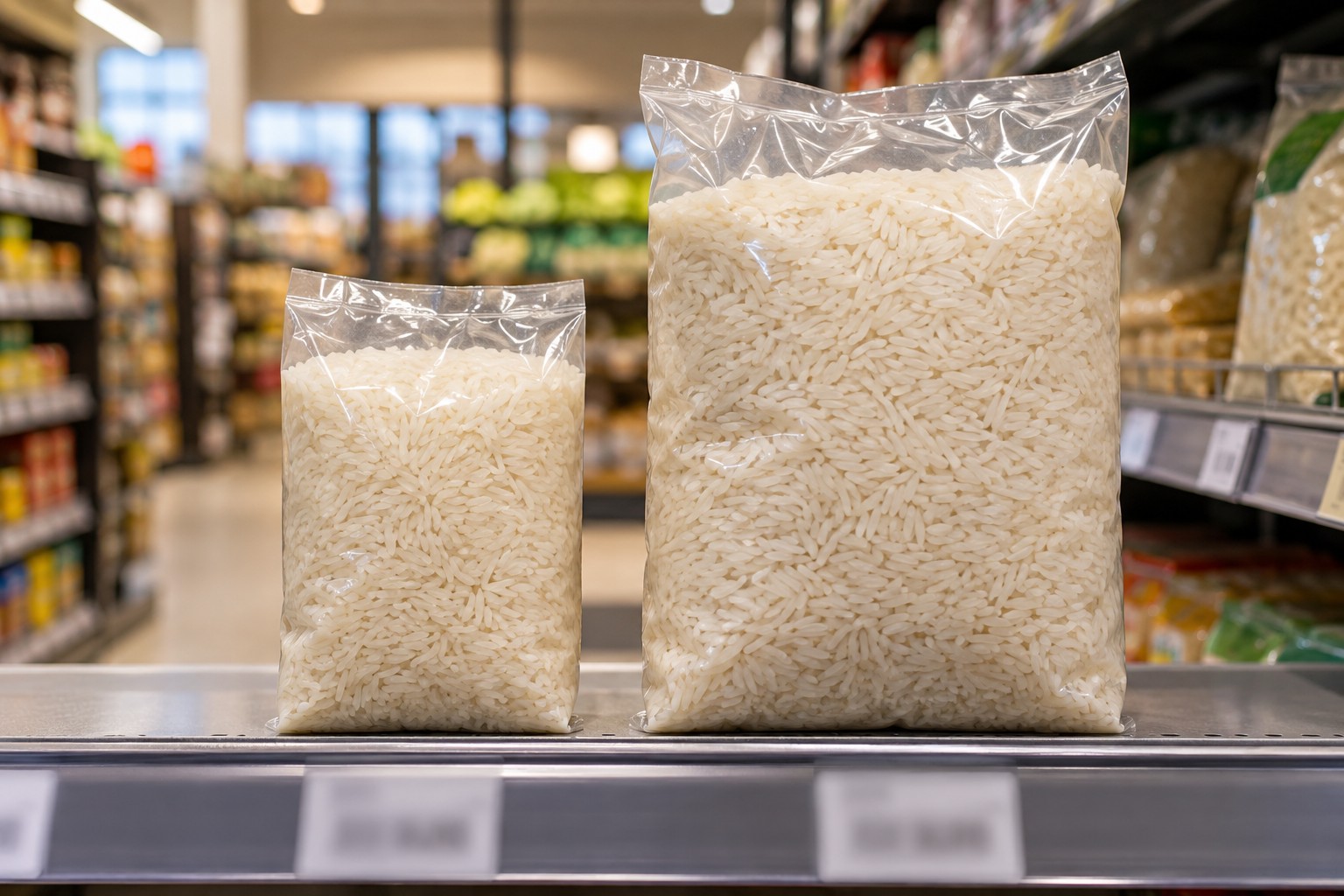
A larger bag may reduce the kilogram price, but it needs appropriate storage and a realistic period of use. Follow the manufacturer's information. If a variety is unfamiliar, a smaller quantity can be a more sensible trial despite a higher unit price.
Account for coffee that is prepared but not drunk. Someone who regularly makes a larger pot and discards some should consider the cups actually consumed. Otherwise, the apparent benefit of a bulk pack can be exaggerated by the everyday brewing routine.
Keep different costs separate
Cleaning supplies, filters and maintenance are part of preparation costs, but cannot always be assigned precisely to one cup. When comparing beans, these unchanged costs can initially remain separate. When choosing between two machine systems, they would become relevant.
Write down the assumptions and change one element at a time. This reveals whether a difference comes from the beans, package size or preparation. The lowest kilogram price need not be the right choice if the taste and daily routine do not fit it.